What is a conventional lathe?
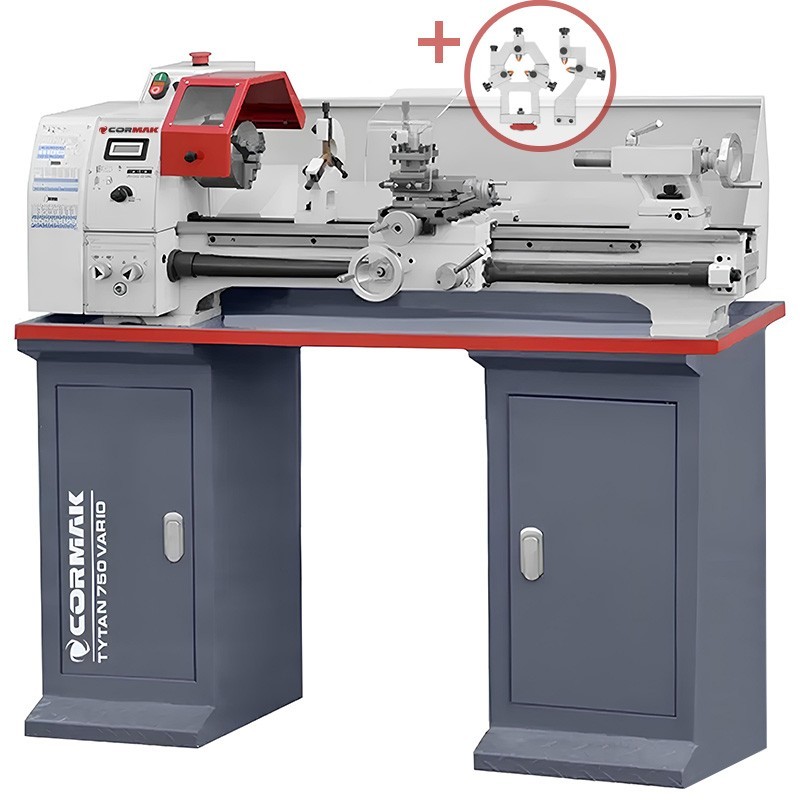
What is a conventional lathe?
A conventional lathe is one of the oldest and most essential machines used in the metalworking industry. It allows for manual turning of rotating components such as shafts, bushings, or threads, ensuring precision and full operator control. Most machinists begin their metalworking journey with a conventional lathe.
How does a conventional lathe work?
In a conventional lathe, the workpiece is clamped in the spindle chuck and rotated at a set speed. The operator manually guides the cutting tool using handwheels, removing excess material to shape the part. The process is completely manual – unlike CNC lathes, which are controlled by computer programs.
Applications of conventional lathes
Conventional lathes are used in workshops and production facilities for:
- turning shafts, bushings, cones, and rods,
- cutting internal and external threads,
- facing surfaces,
- training and education in machining basics.
Advantages of a conventional lathe
Although CNC machines dominate modern production, conventional lathes remain popular due to their:
- simple operation and low maintenance costs,
- durability and reliability,
- full manual control over machining,
- suitability for single-part or repair work.
CORMAK conventional lathes
CORMAK offers high-quality conventional metal lathes that combine traditional design with precision and long-term reliability. These machines are ideal for workshops, training centers, and production facilities. Solid construction, precise guides, and powerful motors ensure dependable operation for years.
Summary
A conventional lathe is a fundamental tool in any workshop. It allows for manual machining, part repair, and skill development. Choosing a CORMAK lathe means investing in proven quality, precision, and reliability for everyday work.
Latest blog postsAll articles →