Trencher – what is it used for and when is it worth choosing?
Trencher – what is it used for and when is it worth choosing?
A trencher is a machine designed for fast production of narrow, straight and repeatable trenches. It is most often used for laying cables, pipes, fibre-optic lines, water installations, irrigation systems and other technical conduits.
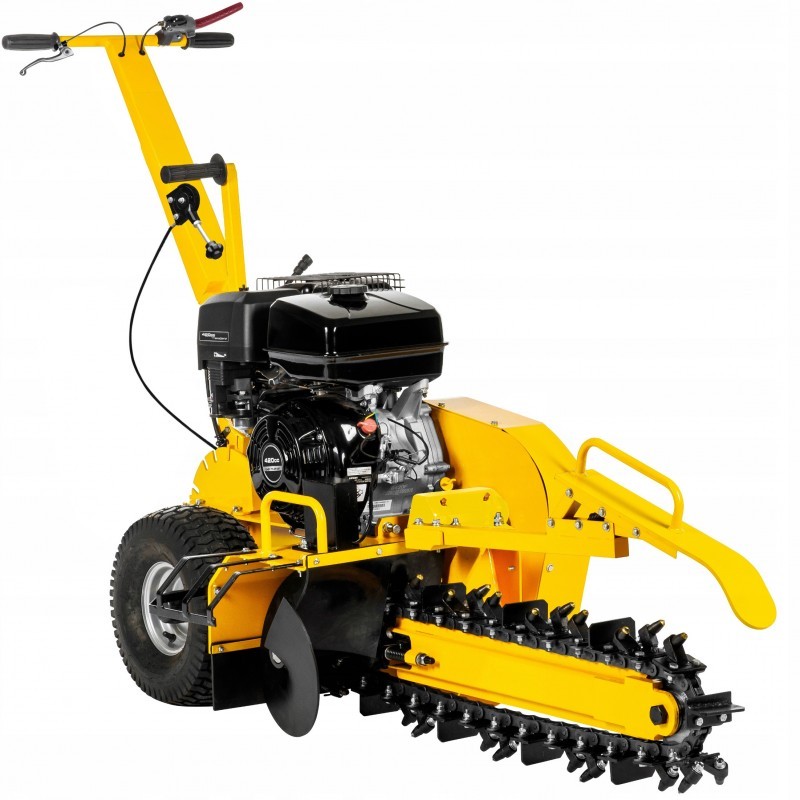
Unlike a conventional excavator bucket, a trencher uses a rotating chain fitted with cutting teeth. This makes it possible to create a long trench with a relatively small width and reduce the amount of soil removed. As a result, installation work can be faster and site reinstatement usually requires less time.
How does a trencher work?
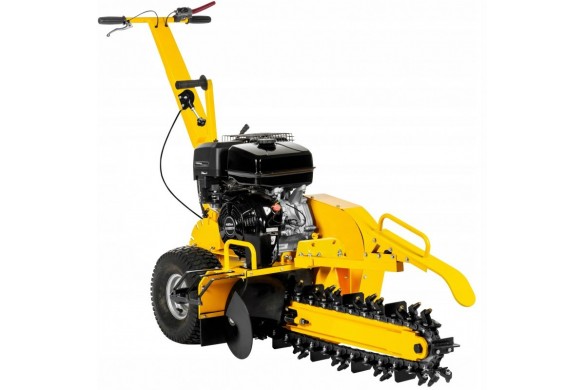
The key working element is a guide bar with a moving digging chain. The teeth mounted on the chain cut into the ground, loosen the soil and carry it out of the trench. The operator sets the required working depth and then guides the machine along the planned route.
The result is a uniform trench that can be used for laying an installation. Depending on the model, the working depth and trench width may be adjustable. This helps match the machine to the cable, pipe or technical element that needs to be installed in the ground.
What is a trencher used for?
The machine is mainly used to prepare trenches for different types of installations. A chain trencher for trenches works well on private, industrial, agricultural and construction sites.
It is commonly used for trenches for:
- electrical cables,
- fibre-optic lines,
- water pipes,
- irrigation systems,
- drainage,
- technical conduits,
- garden installations,
- components of fencing systems.
A narrow trench is especially useful where wide excavation is not required. This matters on lawns, in gardens, around properties, along internal roads and in areas that should be restored quickly after the work is complete.
Trencher or mini excavator?
A mini excavator is more universal. It can dig wide excavations, shape the ground, load soil and work with different attachments. It is a good choice when the scope of work is varied and not limited to trenching for installations.
A trencher, on the other hand, is specialised for long and narrow trenches. If the task is to prepare several dozen or several hundred metres of trench for a cable, fibre-optic line or pipe, it may work faster and more precisely than a conventional excavator bucket.
A narrower trench means less soil to remove, transport and backfill. The operator can also maintain a consistent trench width more easily, which is important during installation work carried out over longer distances.
When is a trencher worth choosing?
The machine is particularly useful for installation, electrical, telecommunications, landscaping and construction companies. The greatest benefits appear when similar trenches of repeatable width and depth are made regularly.
Digging a long trench by hand takes a lot of time and labour. Using an excavator bucket may create a trench much wider than actually needed. A trencher removes only the necessary amount of soil, making it easier to lay the installation and clean up the work area afterwards.
Purchasing this type of machine is worth considering when the company regularly lays cables, fibre-optic lines, irrigation systems, pipes or technical conduits. For a single short trench, investing in a specialised machine may not always be justified.
How to choose a trencher?
Before buying, check the maximum trenching depth and width. These parameters should match the typical installations carried out by the company. Too little working depth will limit the machine’s use, while an unnecessarily wide trench will increase the amount of removed soil.
Engine power, chain construction, tooth type and working depth adjustment are also important. The machine should not be selected based on power alone. The type of ground in which it will most often work is also critical.
Typical soil and clay are usually not a major issue, but many stones, thick roots and very hard ground increase chain load and accelerate wear of working parts. For regular use, easy access to the teeth and chain is important, as these are consumable components that require inspection and periodic replacement.
Summary
A trencher is used to create narrow, straight and long trenches quickly. It is well suited for cable installations, pipes, fibre-optic lines, irrigation systems and technical conduits.
Its key advantages are high efficiency and a reduced amount of excavated soil. When choosing a machine, consider the working depth and width, power, chain type, availability of wear parts and ground conditions. A properly selected trencher can significantly improve earthworks and installation jobs.
Latest blog postsAll articles →