Pallet Wrapping - How to Properly Stretch Wrap Pallets for Transport?
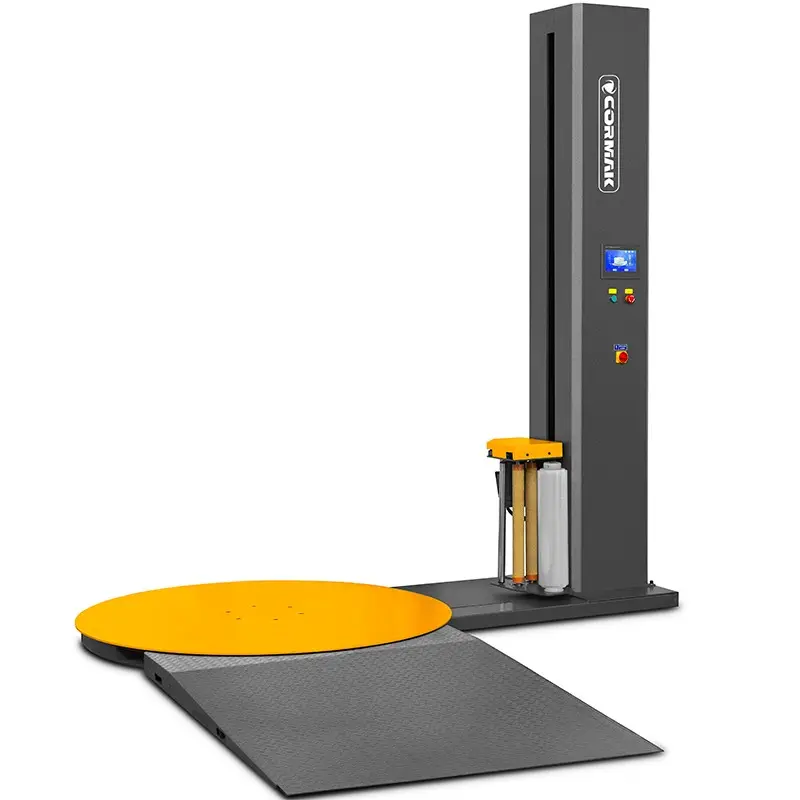
Safe transport of goods largely depends on how effectively the load is wrapped. Proper load stabilization minimizes the risk of product shifting, mechanical damage, and accidents during handling. Incorrect wrapping can cause pallet tilting, broken packaging, or even the loss of entire layers of goods. For this reason, warehouses and logistics companies use specialized technologies to ensure that the packaging process is consistent, efficient, and meets safety standards.
- Types of film and wrapping techniques
- How to properly wrap a pallet step by step
- Equipment that supports the packaging process
- Most common pallet wrapping mistakes
- Summary
Types of film and wrapping techniques
The most commonly used materials are manual or machine stretch films. Machine stretch film ensures higher efficiency, even tension, and better adhesion to the goods, which increases load stability. Wrapping techniques vary depending on the product type — light loads require less tension, while heavy pallets must be reinforced at the bottom. The wrapping process should include both the base and the top part of the pallet to create a stable structure.
How to properly wrap a pallet step by step
To achieve optimal protection, several rules should be followed. First, make sure the products are evenly arranged on the pallet to form a compact block. Then, attach the stretch film to the pallet base and wrap with the right amount of tension. Each new layer should overlap the previous one to ensure stability. The final layers should cover the top part of the load. In high-volume operations, the process can be automated with pallet wrapping machines.
Equipment that supports the packaging process
Modern warehouses use various tools to improve precision. Among them are pallet scales that allow for quick weight control before securing the load. Handling and transport equipment make pallet movement easier and help optimize workflow. Automatic wrapping machines ensure ideal film tension and reduce packaging time, increasing overall efficiency.
Most common pallet wrapping mistakes
The most frequent mistakes include insufficient film tension, skipping the pallet base, using the wrong film type, unstable load arrangement, and poor tension control. Another common misconception is that using more film means better protection — in reality, quality and technique are what matter most. Ignoring the pallet’s weight can also lead to overloading and damage during transport.
Summary
Proper pallet wrapping is essential for safe and efficient transportation. Using the right techniques, proper equipment, and avoiding common mistakes helps maintain high logistics standards and minimize losses. With modern industrial solutions from CORMAK, pallet wrapping becomes faster, more stable, and fully compliant with transport requirements.
Latest blog postsAll articles →