Metal Milling Machine – What Should You Check Before Buying?
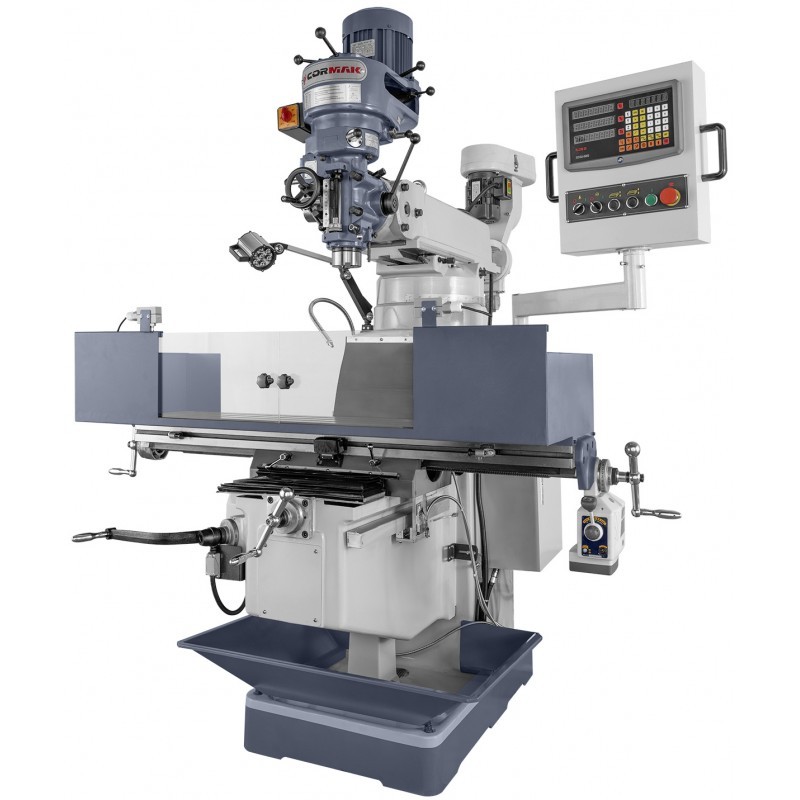
Metal Milling Machine – What Should You Check Before Buying?
A metal milling machine is one of the key machines in a locksmith workshop, toolroom or production plant. It is used for machining flat surfaces, slots, chamfers, holes, pockets, keyways and technical parts with repeatable dimensions. A properly selected machine speeds up metalworking, improves surface quality and reduces rework.
The decision should not be based on price alone. The most important factors include machine type, working range, rigidity, motor power, spindle type, axis travel, feed system, machine weight, power supply and accessory availability. It is also worth defining the materials and accuracy requirements before purchase.
What Is a Metal Milling Machine Used For?
A milling machine removes material by cutting. The tool, or milling cutter, rotates at a selected speed while the workpiece moves in relation to the tool. This feed motion enables controlled material removal from the workpiece surface.
Milling is different from turning. In a lathe, the workpiece usually rotates and the material is removed by a turning tool. In a milling machine, the cutting tool rotates, which gives great flexibility when machining surfaces, slots, pockets and more complex shapes.
A metal milling machine is used for:
- machine parts and assembly components;
- moulds, fixtures and workshop tooling;
- slots, keyways, pockets and reference surfaces;
- prototypes and short production runs;
- components requiring repeatable geometry.
Which Type of Milling Machine Should You Choose?
The first step is matching the machine type to the planned metalworking tasks. A small workshop may need a different machine than a toolroom or production department.
Vertical milling machine
A vertical milling machine is a universal choice for many workshop tasks. It works well for flat surfaces, drilling, holes, slots and smaller parts. It is convenient to operate and often selected for locksmith workshops, service departments and maintenance teams.
Horizontal milling machine
A horizontal milling machine is intended for heavier work and longer workpieces. It may be useful for larger surfaces, deeper slots and operations requiring stable removal of more material.
Universal milling machine
A universal milling machine offers more flexibility when a company performs varied tasks. It is a good choice for workshops handling different workpieces, prototypes or several machining operations.
Bench-top or industrial machine?
A smaller bench-top milling machine is enough for light work and small parts. For daily steel machining, larger workpieces and longer table travel, a heavier and more rigid machine with a larger table and stable column is a better choice.
Key Technical Parameters
When choosing a milling machine, start with the parameters that directly affect working range and comfort.
- table size – determines the maximum workpiece size;
- X, Y and Z travel – defines the working area without repositioning the part;
- maximum table load – important for heavy parts and machine vices;
- spindle-to-table distance – affects work with tall parts and fixtures;
- spindle speed range – should match the material, cutter diameter and operation;
- motor power – matters for cutting depth, milling width and harder materials.
Motor power alone is not enough. If the machine lacks rigidity, a powerful motor will not ensure good surface quality. Parameters should always be assessed together.
Rigidity, Weight and Machining Stability
Structural rigidity is one of the most important criteria when selecting a metal milling machine. A stable body, strong column, precise guideways and adequate mass help reduce vibration. This directly affects surface finish, dimensional accuracy and tool life.
When machining steel, an overly light machine may vibrate, especially with a long tool overhang or wider cutter. The result can be visible marks on the surface, poorer edge quality and a greater risk of cutting-edge damage.
A heavier machine usually absorbs vibration better and remains more stable during deeper cuts. However, floor load, unloading method, transport access and service space around the machine must also be considered.
Spindle, Feed and Accessories
The spindle determines how stable the cutter runs. Before purchase, check the taper type, speed range, runout, adjustment options and tool-holder availability. The popularity of the spindle standard matters because it affects how easily accessories can be sourced.
On simpler machines, the operator moves the table manually. For frequent work, automatic feed is a major advantage. It provides smoother table movement, improves surface finish and reduces operator fatigue during longer passes.
Useful accessories may include:
- machine vice;
- tool holders and collets;
- cutters for common operations;
- rotary table or dividing head for more complex tasks;
- digital readout when repeatable dimensions are important;
- coolant system for regular steel machining and longer cycles.
Power Supply and Installation Conditions
230 V machines are convenient for light work, small workshops and service applications. 400 V milling machines are better suited to regular professional use, larger parts and more demanding cutting.
Before purchase, check not only the available power supply but also the machine location. Consider floor stability, levelling, table access, space for long workpieces, lighting, chip removal and access to coolant.
Common Buying Mistakes
- Choosing a machine that is too small – it may be enough at first but quickly limits work on larger parts.
- Looking only at motor power – without a rigid structure, power will not translate into precision.
- Ignoring axis travel – too little travel requires frequent workpiece repositioning.
- No automatic feed – this makes long passes more difficult and affects surface quality.
- Power supply mismatch – the machine must suit workshop infrastructure.
- Insufficient accessories – even a good machine needs the right vice, holders and cutting tools.
Quick Selection Comparison
| Criterion | Why it matters | What to check |
|---|---|---|
| Work table | Defines the size of the clamped part | Dimensions, T-slots, maximum load |
| Axis travel | Affects machining range without repositioning | X, Y, Z travel and adjustment comfort |
| Rigidity | Reduces vibration and improves finish | Weight, column, guideways, body stability |
| Spindle | Controls tool stability | Taper type, speed range, holder availability |
| Feed | Affects smooth machining and operator comfort | Manual or automatic feed, adjustment range |
| Power supply | Must suit the workshop | 230 V for lighter work, 400 V for regular professional use |
Milling and Other Manufacturing Processes
Milling is a cutting process. It should not be confused with forming, heat treatment or thermo-chemical treatment. Those technologies change shape or material properties in a different way. A milling machine removes material with a cutting tool, allowing precise control over dimension and geometry.
Summary
The choice of a metal milling machine should be based on real workshop needs. For simple work, a smaller bench-top machine may be enough. For daily use, steel machining and larger workpieces, a heavier milling machine with a strong motor, rigid structure, suitable travels and automatic feed will be more appropriate.
A properly selected milling machine improves accuracy, shortens working time and makes metalworking easier in a professional workshop. Before buying, analyse not only price but also rigidity, spindle, table, accessories, power supply and future production needs.
Latest blog postsAll articles →