Hydraulic press – how to choose the right tonnage?
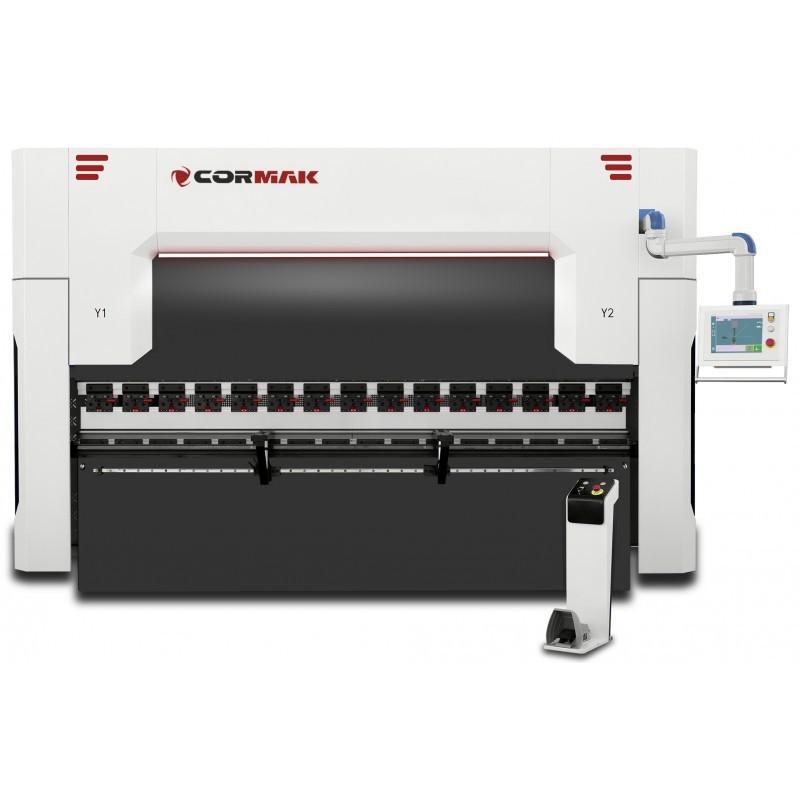
Hydraulic press – how to choose the right tonnage?
A hydraulic press is a versatile machine used in workshops, service departments, toolrooms and production facilities. It is commonly used for pressing bearings, installing bushings, removing pins, straightening shafts, correcting metal components and carrying out many repair operations. The key parameter that defines its capability is the maximum pressing force, usually expressed in tonnes.
Choosing the right model should not be based only on buying the strongest machine available. The press should match the actual work, component size, frequency of use and required operating precision. A machine that is too weak may not complete the task, while an oversized model may be more expensive, larger and less convenient for smaller precision jobs.
What does hydraulic press tonnage mean?
Press tonnage describes the maximum force the ram can apply to the workpiece. This force is generated by the hydraulic system, where oil pressure is converted into the working movement of the cylinder. The larger the cylinder diameter and the higher the pressure in the system, the greater the force the machine can produce.
In practice, a press should not be used continuously at its limit. If an operation requires around 20 tonnes, a 30-tonne model is usually a more reasonable choice. This reserve reduces the load on the frame and hydraulic system and makes it easier to work with seized, corroded or tightly fitted components.
Nominal force is only one part of the selection process. Frame rigidity, table adjustment, ram stroke, working space and the ability to position the workpiece in line with the pressing axis are also important. Even a powerful press will not deliver good results if the component is poorly supported or positioned at an angle.
What tonnage is suitable for typical workshop work?
For pressing smaller bearings, bushings, pins and automotive components, a 10–20 tonne hydraulic press is often sufficient. This range works well in service workshops and garages handling light and medium-duty repair tasks.
For a more universal workshop press, a model of around 30 tonnes is worth considering. It can handle larger bearings, straighten medium-sized shafts, remove more firmly seated parts and cover a wider range of tasks without operating constantly at the machine’s limit.
Hydraulic presses of around 50 tonnes are designed for larger machine parts, thicker profiles, structural components and more intensive use. Models of 100 tonnes and above are used mainly in industry, for heavy components, large structures and operations requiring very high pressing force.
Straightening and bending metal parts
When straightening parts, the required force depends on the material, cross-section, distance between supports and the size of the deformation. A small flat bar needs far less pressure than a thick shaft, a heavy pin or a structural profile. The force should be increased gradually while the geometry of the workpiece is checked regularly.
A hydraulic press can also be used for occasional bending of sheet metal, flat bars and rods. The required force depends on the material thickness, bending length, radius and die width. For serial bending of long sheets, however, a press brake is the better solution because it is designed specifically for that process.
Stable support is essential during straightening and bending. The workpiece should be placed securely, and the force should act as close to the pressing axis as possible. Working with a tilted or poorly supported part increases the risk of slipping, tool damage or overloading the frame.
More than just pressing force
Before purchasing a hydraulic press, it is important to check the working space. Key dimensions include the width between the columns, the maximum distance between the ram and the table, and the ram stroke. High tonnage is not useful if the workpiece does not fit into the press or cannot be supported correctly.
An adjustable worktable is also very important. Changing the table height makes it easier to adapt the machine to different components and reduces setup time. A pressure gauge is also useful because it allows the operator to monitor the actual pressing force and work more predictably.
In many workshops, a press with a movable cylinder is a practical choice. It allows the ram to be positioned over a specific point on the workpiece without moving the entire component. This is especially helpful when working with large or heavy parts.
Manual, foot-operated or electro-hydraulic?
A manual press is suitable for simple and occasional work. It is straightforward to use and works well for basic pressing and extraction tasks.
A foot-operated pump improves ergonomics because it leaves the operator’s hands free. This is important when the part position, support and ram movement must be controlled at the same time.
Electro-hydraulic presses are more convenient for larger batches and intensive use. They reduce operator effort, speed up repetitive work and are a good choice for workshops where the press is used regularly throughout the day.
Common mistakes when choosing a press
One of the most common mistakes is buying a press with too little force. It may seem sufficient at first, but larger bearings, corroded pins or more rigid components can quickly reveal its limitations.
Another mistake is focusing only on tonnage. A user may choose a more powerful press but overlook the distance between columns, ram stroke, working height and table adjustment. As a result, the machine may have enough force but still fail to fit the actual workpieces.
A third issue is the lack of working reserve. A press used constantly at its maximum capacity is under higher stress and gives the operator less control. For workshop use, it is usually better to choose a model with a sensible reserve rather than operate at full force all the time.
Safety and maintenance
A hydraulic press generates very high force, so the workpiece must be supported securely and the ram should be aligned as accurately as possible. Random spacers, damaged pins or unsuitable supports should not be used because they may fail under load.
Hoses, connections, table pins, the pressure gauge, pump and oil level should be checked regularly. It is also worth inspecting the frame for visible deformation and making sure the table locks securely at the selected height. Proper maintenance improves safety and helps maintain consistent operation.
Summary
For basic service work, a 10–20 tonne hydraulic press is usually enough. A 30-tonne model is more universal, while a 50-tonne press is suitable for larger parts, heavier work and more demanding operations. Presses of 100 tonnes and above are mainly intended for industrial applications.
When selecting a machine, consider not only the maximum pressing force but also the size of the workpieces, ram stroke, working space, control method and frequency of use. A properly selected hydraulic press improves safety, reduces repair time and makes precision work on metal components easier.
Latest blog postsAll articles →