How to Connect an Additional Air Receiver to a Compressor: A Safety-Focused Guide
How to Connect an Additional Air Receiver to a Compressor: A Safety-Focused Guide
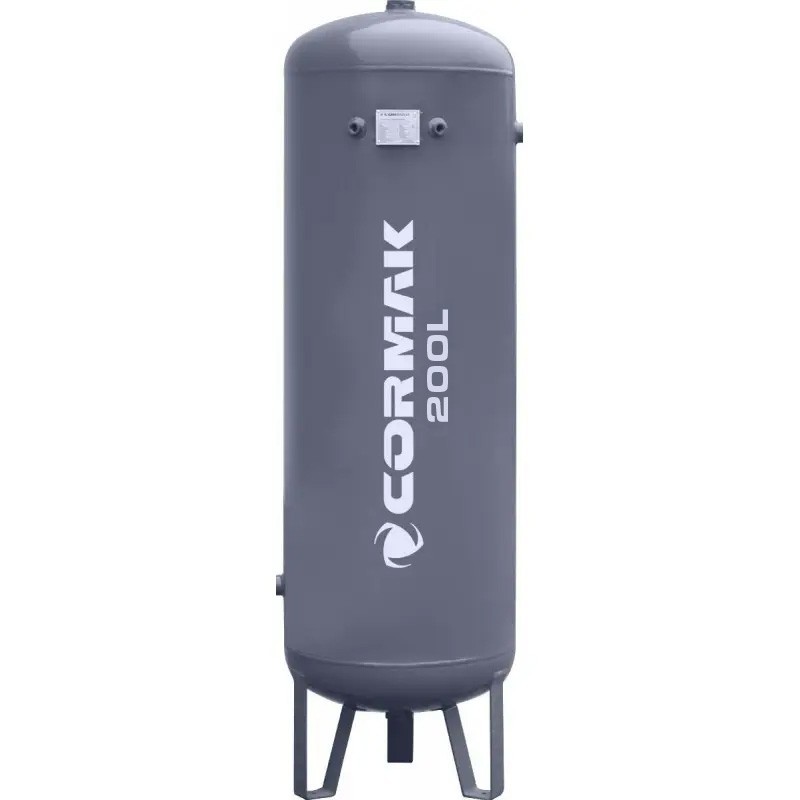
Adding an additional receiver to a compressed-air system can increase stored-air capacity, reduce short-term pressure fluctuations and improve the way pneumatic tools are supplied. It does not increase the compressor’s actual continuous air delivery.
Because air receivers are pressure equipment, component compatibility, system design, leak-tightness and safety requirements must take priority. This guide is informational: selection, installation, commissioning and any applicable formal requirements should be handled by a competent installer in line with the manufacturers’ instructions and local rules.
What Does an Additional Receiver Do?
An additional receiver stores compressed air. When a tool draws more air for a short period, part of that demand can be supplied from the air stored in the combined receiver volume. This can limit short pressure drops, especially where tool demand varies in cycles.
- a larger reserve of compressed air;
- more stable pressure during short demand peaks;
- less frequent compressor cycling in systems with irregular demand;
- more time for condensate removal and partial cooling of compressed air;
- better organisation of supply for intermittently used tools.
This can be useful for impact wrenches, spray guns, assembly stations or tyre-inflation systems. The result depends on compressor capacity, pipe size, pipe length, filtration and the real air-demand profile.
What Will an Additional Receiver Not Solve?
More receiver capacity does not increase the compressor’s effective output. If tools continuously use more air than the compressor can supply, the extra receiver only extends the time before pressure falls.
For a sustained compressed-air shortfall, assess the entire system: compressor output, operating pressure, leaks, filtration, drying, pipe diameters and demand profile. A higher-output compressor or optimisation of air-consuming equipment may be the appropriate solution.
How to Select an Air Receiver
Receiver selection should be based on calculations or an assessment carried out by a competent installer. Capacity is important, but safety parameters, operating conditions and system compatibility also matter.
Receiver capacity
A larger volume provides a larger air buffer, but also means more weight and greater requirements for space, drainage and operation. Size the receiver for the demand profile rather than compressor motor power alone.
Allowable pressure
The maximum allowable pressure of the receiver, pipework and fittings must suit the intended system. Never exceed the limits set by the manufacturer of any component.
Documentation and conformity
Use receivers, pipework and fittings designed for compressed-air service. Keep documentation, rating data and instructions. Depending on parameters and local use, inspection, registration or other local requirements may apply.
Working conditions
Consider temperature, humidity, corrosion risk, ventilation, service access and stable placement. Protect the receiver from mechanical damage and accidental impact from vehicles or material-handling equipment.
Parallel or Series Layout?
When an extra receiver is added, a parallel layout is commonly used: both receivers are supplied from a shared main header. This can help use the combined stored volume and avoid unnecessary flow resistance.
Parallel layout
- both receivers connect to the same supply header;
- stored air is available from the combined system volume;
- isolating one receiver for service can be easier;
- pipework and fittings are selected for the required flow rate.
Series layout
A series arrangement can add resistance to flow and complicate condensate drainage. It should be used only where it follows an engineered process design, not an improvised pipe route.
How to Plan Safe Installation
Expanding a pressure system is not a simple DIY task. Safe installation is carried out by a qualified installer using technical documentation and applicable safety requirements.
- Assess the existing system: verify compressor, receiver, tool and pipework parameters.
- Select components: confirm allowable pressure, materials, diameters and fitting compatibility.
- Prepare the location: provide stable placement, impact protection and service access.
- Install fittings: use isolation valves, drainage and protection devices according to the design.
- Check and commission: verify leak-tightness, system operation and documentation following the manufacturers’ procedures.
Before work, isolate electrical power, fully depressurise the system and prevent unintended start-up. Do not weld, drill or modify a receiver, and do not interfere with pressure-relief devices.
System Components
The exact configuration depends on the design, but a typical system may include:
- an air receiver suitable for the system;
- pipework or hose with suitable bore and pressure rating;
- isolation valves for each receiver;
- non-return valves where required by the flow scheme;
- pressure gauges or sensors appropriate for the system;
- pressure-relief devices suitable for receiver parameters;
- manual or automatic condensate drains;
- filters, separators and dryers selected for the required air quality.
Do not select components by thread size alone. Material, allowable pressure, temperature, flow and system compatibility are equally important.
Common Mistakes When Expanding a Compressed-Air System
- Undersized pipework: can increase pressure drop and restrict flow.
- Components with incompatible ratings: every item must suit the pressure and operating conditions.
- Inadequate condensate removal: increases corrosion risk and can reduce air quality.
- Skipping leak checks: leaks waste energy and reduce system performance.
- Using a receiver as a substitute for an undersized compressor: stored air does not replace required continuous capacity.
- Interfering with safety devices: do not block, alter outside approved procedures or replace relief devices with unsuitable parts.
Safety and Operation
Compressed-air receivers operate under pressure. They need regular condensate drainage, condition checks and protection against corrosion and mechanical damage.
- do not exceed the allowable pressure of any component;
- keep relief devices accessible and operational;
- inspect receivers for corrosion, damage and leaks;
- drain condensate in accordance with the equipment instructions;
- maintain inspections and records required for the site;
- before service, isolate power, release pressure and prevent restart.
Additional Receiver vs Higher-Output Compressor
| Criterion | Additional receiver | Higher-output compressor |
|---|---|---|
| Main function | Increases stored-air volume | Increases continuous air-delivery capability |
| Best suited to | Short, variable demand peaks | Constant or long-duration high demand |
| Effect on output | Does not increase compressor output | Can increase available flow when properly selected |
| Key requirements | Safe design, correct fittings and commissioning | Selection for demand profile, installation and air quality |
Summary
An additional receiver can increase stored-air capacity and improve stability during short changes in demand. It does not replace a compressor with sufficient output when demand stays high.
The key requirements are compatible ratings, correct pipe sizes, effective condensate removal, safety devices and installation by a competent person. A well-designed system will operate more consistently, safely and predictably.
Latest blog postsAll articles →