Alloy Wheel Lathe – A Complete Guide to Alloy Wheel Refurbishment
Alloy Wheel Lathe – A Complete Guide to Alloy Wheel Refurbishment
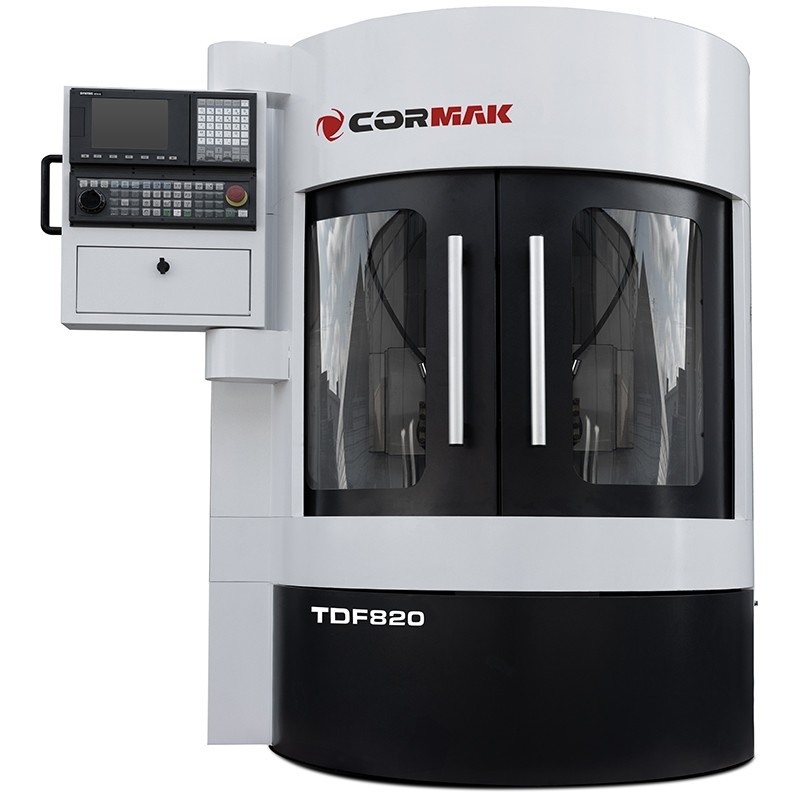
An alloy wheel lathe is a specialist machine used in alloy wheel refurbishment. It enables the precise restoration of a wheel surface, including diamond-cut finishes, provided that the wheel condition and machining scope are suitable. Professional workshops typically use CNC wheel lathes with touchscreens to support repeatability, accuracy and efficient process control.
Machining is not appropriate for every type of damage. Wheels with cracks, significant deformation or insufficient remaining material thickness should be assessed by a qualified service provider in line with the manufacturer’s recommendations and applicable safety requirements.
What Is an Alloy Wheel Lathe and Why Is It Important in a Workshop?
An alloy wheel lathe is designed for the precise machining of wheel surfaces, most commonly aluminium alloy wheels. Its role is to remove a very thin, controlled layer of material to correct wear marks, light scratches or surface damage. It can be an important part of a wheel-refurbishment station, especially where a workshop services wheels with machined or diamond-cut faces.
Modern CNC systems reduce the risk of setup errors and support a high level of machining repeatability. They do not replace correct wheel assessment, proper clamping or operator competence.
How Does a CNC Alloy Wheel Lathe Work?
A CNC lathe operates using a control program that defines the tool position and machining path. This makes the cutting process highly repeatable, particularly when restoring the front face of a wheel.
- Wheel mounting: the wheel is securely clamped in the machine chuck.
- Axis and parameter setup: the operator establishes the wheel position and machining parameters, including the reference to the machine axis.
- Surface measurement or scanning: in selected models, the system can support surface-profile analysis and detection of irregularities.
- Machining: the cutting tool removes a minimal programmed layer of material to restore the surface to the selected profile.
- Preparation for finishing: after turning, the wheel may require protective coating, painting or polishing, depending on the refurbishment method.
Alloy Wheel Refurbishment Step by Step
Professional wheel refurbishment should begin with an assessment of the wheel’s condition. The scope of work depends on the type of damage, wheel construction, surface finish and the permissible amount of material that can be removed.
- Initial inspection and safety check: examine the wheel for cracks, deformation, corrosion and overall condition.
- Wheel cleaning: remove dirt, deposits and service residues.
- Removal of the previous coating: prepare the surface for repair and further machining in accordance with the selected process.
- Repair of eligible damage: any repair work should be carried out by a qualified, experienced service provider and in accordance with safety requirements.
- CNC machining: precisely restore the wheel surface within the permitted machining range.
- Surface finishing: apply painting, polishing or another suitable protection for the wheel type.
- Quality control: assess appearance, geometry and finish quality before the wheel is returned to service.
A properly planned process can restore the visual appearance of alloy wheels, but it should never compromise their safety or structural properties.
Wheel Lathe with a Touchscreen – Modern Control and Convenience
A touchscreen gives the operator easier access to settings, programs and process parameters. Depending on the model, it can also support machining visualisation, profile selection and guided configuration steps.
- more intuitive operation and shorter setup times;
- clear process-data display;
- easier selection of stored programs and profiles;
- lower risk of input mistakes during manual parameter entry.
CNC operation still requires training and knowledge of safe machining practices. A touchscreen can make the workflow easier, but it does not replace operator experience.
Why Invest in an Alloy Wheel Lathe?
A CNC alloy wheel lathe can broaden a workshop’s services to include precision wheel refurbishment. For businesses in tyre service, detailing, paintwork or automotive repair, it can mean completing a larger part of the service in-house.
- broader service offer: wheel refurbishment can complement existing workshop services;
- greater control over lead times: fewer process stages need to be outsourced;
- repeatable results: CNC control supports process standardisation;
- growth potential: the machine can support individual customers, fleets and business partners.
CNC Alloy Wheel Lathe vs Conventional Lathe – Which One to Choose?
| Feature | Manual lathe | CNC alloy wheel lathe |
|---|---|---|
| Precision and repeatability | Depends heavily on operator experience | High with the right program and setup |
| Operation | Requires manual process control | Supported by CNC control and stored settings |
| Automation | Limited | Available to an extent depending on the machine model |
| Productivity | Depends on operator and job type | Better repeatability for series work |
Where the aim is to develop a wheel-refurbishment service and increase process repeatability, a CNC lathe is typically the more practical choice. The final decision should consider job volume, available space, team skills and the planned service scope.
What to Consider When Buying an Alloy Wheel Lathe?
- supported wheel diameter and width range – this should match the workshop’s job profile;
- control axes and positioning accuracy – they affect machining quality;
- clamping and measurement system – it should provide stable, repeatable wheel setup;
- touchscreen and programming usability – important for day-to-day ergonomics;
- scanning or profile-copying functions – available depending on machine configuration;
- service, training and spare parts – important for operational continuity;
- safety and installation requirements – should be checked before commissioning.
Why Do Customers Look for Alloy Wheel Refurbishment?
Vehicle owners often search for services using phrases such as alloy wheel refurbishment, wheel repair, CNC wheel lathe or wheels like new. A clearly described service, before-and-after images and transparent information about the work scope help workshops respond to this purchase intent.
Is an Alloy Wheel Lathe Profitable?
The profitability of an investment depends on job volume, local service prices, machine utilisation, labour, consumables, servicing and how the service is sold. A wheel lathe may be particularly relevant for a tyre workshop, detailing company or repair business that wants to add wheel refurbishment to its offer.
Before purchasing, it is worth creating a simple business calculation: expected monthly order volume, average service value, fixed and variable costs and planned machine utilisation. This makes it possible to assess the payback period realistically for a specific business.
FAQ – Frequently Asked Questions
Can every wheel be restored on a lathe?
No. Wheels with cracks, major deformation, advanced corrosion or insufficient material thickness may not qualify for refurbishment. Each wheel requires an individual technical assessment.
How long does wheel refurbishment take?
The time depends on the wheel type, damage scope, finishing process and workshop workload. Turning is only one stage of the complete refurbishment process.
Is a CNC wheel lathe difficult to operate?
CNC control and a touchscreen can make the work easier, but safe and repeatable machining requires training, correct wheel clamping and knowledge of the process.
Does a CNC wheel lathe pay for itself quickly?
That depends on actual service demand, machine utilisation and operating costs. The best approach is to assess profitability using your own sales plan and cost calculation.
Summary
An alloy wheel lathe, especially a CNC wheel lathe with a touchscreen, can be an important element of a professional alloy wheel refurbishment station. It supports precise, repeatable surface machining and can help expand workshop services.
The best outcomes still depend on correct wheel qualification, a safe process, an appropriately selected machine and operator competence. Before buying, compare the machine specifications with the real service profile and planned workload.
Latest blog postsAll articles →