Methods and principles of pipe bending
From this article you will learn:
- What are the pipe bending methods?
- What are the principles of pipe bending?
- How to bend steel pipes?
What are the pipe bending methods?
Steel pipe bending can be carried out in various ways, depending on technical requirements and the type of material. How to bend steel pipes? There are several basic pipe bending technologies, each with its advantages and disadvantages. The most popular methods include:
- Cold bending - involves bending pipes without heating them. This is the most common method, used mainly for steel pipes with medium and large diameters. Cold bending is quick and precise, but it requires the use of appropriate tools to ensure an even bend without damaging the material.
- Hot bending - in this method, the pipe is heated to an appropriate temperature, which allows easier forming. This pipe bending technology is used for pipes with larger diameters and for materials that may deform due to excessive stress in the cold bending process.
- Bending using rollers - this is a method that allows pipes to be bent without contact with cutting tools. Pipes are bent using rollers, which makes it possible to obtain very precise shapes while minimizing the risk of damaging the material. This is an ideal solution when you want to achieve delicate, gentle bends.
All these methods can be performed with the help of modern machines and devices, such as pipe and profile benders, which are available from a reputable industrial machinery manufacturer - Cormak.
What are the principles of pipe bending?
Pipe bending is a process that requires following certain technical principles to achieve the desired result. Here are the key principles of pipe bending that should be taken into account:
- Selecting the right tool - Depending on the pipe bending method and the material the pipe is made of, the appropriate tool, such as a bender, should be selected. The tool should be matched to the pipe diameter and wall thickness. Too small a tool diameter relative to the pipe can lead to damage.
- Controlling the bending force - Pipe bending requires precise control of the force applied to the material to avoid cracking or deformation. It is important to select an appropriate force that does not exceed the material’s strength.
- Proper bending speed - The speed at which bending is performed should be matched to the type of pipe and the bending method. Bending too quickly can lead to distortions, while bending too slowly can extend production time.
- Using appropriate machines - To maintain high bending quality, modern metalworking machines are necessary, such as mandrel-less benders, which provide precision and repeatability of processes. Thanks to them, the bending process is fast and the final result - satisfactory.
How to bend steel pipes?
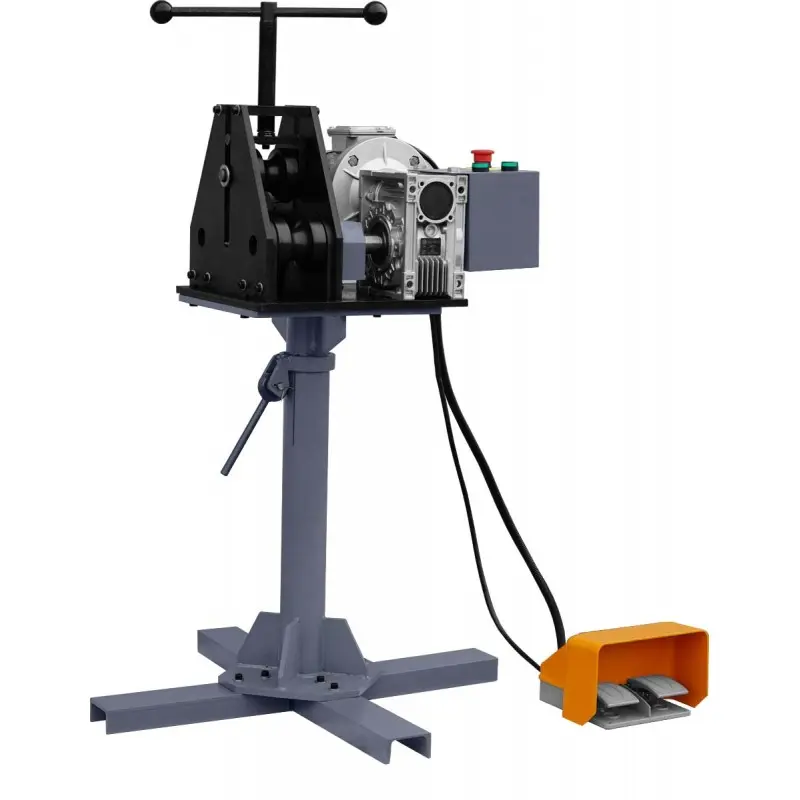
To bend steel pipes effectively, you should pay attention to a few key issues. How to bend pipes? Above all, selecting the right equipment is very important. Steel pipe bending requires machines that offer the right force, precision, and the ability to set parameters such as the bending angle. For this purpose, it is worth investing in modern metalworking machines such as: pipe and profile benders, which allow bending pipes of various diameters and wall thicknesses.
Preparing the pipe before bending is also important. In the case of steel pipes, it is important that they are properly cleaned and free of contaminants that could affect bending quality. It is also worth remembering that steel pipes with larger diameters and thicker walls may require the use of hot bending to prevent cracking.
Pipe bending technology - mandrel-less benders
Mandrel-less benders are devices used for precise bending of pipes and profiles, characterized by the lack of a need to use an internal mandrel. Thanks to this, they are an ideal solution for processing elements with a larger diameter and where fast and flexible shaping of the material is required. Their design allows achieving various bending radii, which makes them a versatile tool in industries such as the automotive industry, construction, or furniture production.
Compared to mandrel benders, they provide greater freedom of operation; however, their use requires appropriate process control to avoid material deformation.
Summary
Pipe bending is a complex process that requires the use of appropriate methods, machines, and technologies. Thanks to modern devices available on the market, the bending process is more efficient, precise, and safe. Choosing the right machines makes it possible to carry out even the most complex projects, ensuring high quality and saving time and materials.
To follow the principles of pipe bending and achieve the best results, it is worth using the services of a professional industrial machinery manufacturer that offers modern and reliable metalworking machines that will meet the expectations of even the most demanding customers. Also check other useful industrial machines: CNC press brakes, plate rolling machines and sheet metal shears.
Latest blog postsAll articles →