Glazing versus sandblasting - Comparison and discussion of the processes
Glass bead blasting and sandblasting are two different surface treatment methods that differ both in the abrasive material used and in the final effect. In industry, both in the processing of metals, wood and other materials, glass bead blasting and sandblasting play a key role in improving surface quality. Although at first glance they may seem similar, they differ in important details that affect the choice of the appropriate method depending on the specifics of a given task.
From this article you will learn:
- What is glass bead blasting?
- Sandblasting vs glass bead blasting - differences
- Sandblasting vs glass bead blasting - applications
- Glass bead blasting and sandblasting machines
What is glass bead blasting?
Are you wondering what glass bead blasting is? Glass bead blasting is a material surface treatment process using a stream of microscopic glass beads. It is a method used to improve the aesthetics and mechanical properties of surfaces, such as smoothing, giving gloss, as well as removing contaminants and scratches. Glass bead blasting is particularly effective in metal processing, but also in other materials such as wood or plastics.
Glass bead blasting - what does it involve? It involves the use of machines that generate the appropriate force of a stream of glass beads striking the surface, which leads to its smoothing and cleaning. Moreover, this process can improve the mechanical properties of the material through the process of so-called peening, i.e. generating compressive stresses in the surface of the material, which increases its resistance to cracking.
Sandblasting vs glass bead blasting - basic differences
Sandblasting and glass bead blasting are two different technologies that share similar basic goals - cleaning and smoothing surfaces. However, they differ in the type of abrasive material used in the process and in the effects that can be achieved.
-
Sandblasting uses abrasive material in the form of sand, which is thrown onto the surface under high pressure. Sand, due to its hardness and structure, is more aggressive and is suitable for removing rust, paints, as well as cleaning thick layers of contaminants. It is a more intensive process, which may leave the surface slightly rough.
-
Glass bead blasting, in turn, uses glass beads, which are much more delicate. Thanks to this, the final effect is more aesthetic - the surface becomes smooth, shiny and clean, without the risk of damaging the material. Glass bead blasting is therefore used where subtle finishing and high aesthetic quality are important, for example in jewellery production or in the processing of mechanical details.
Sandblasting vs glass bead blasting - applications
Sandblasting vs glass bead blasting also differ depending on the industry. Sandblasting is widely used in the construction industry, automotive industry, as well as in the production of machine parts. Sandblasting is used for cleaning and removing rust, paints, as well as for giving the material the appropriate structure. It can also be used for processing metal details such as car frames, elements of steel structures, as well as in wood processing. For this reason, sandblasting is an integral part of the production process, especially in industries where effectiveness in removing contaminants from surfaces matters.
Glass bead blasting, in turn, finds its application mainly where aesthetics are crucial, e.g. in the jewellery industry, automotive industry (in the production of details with high aesthetic quality) and in the processing of thin layers of materials that may be damaged by a stronger stream of sand.
Glass bead blasting and sandblasting machines
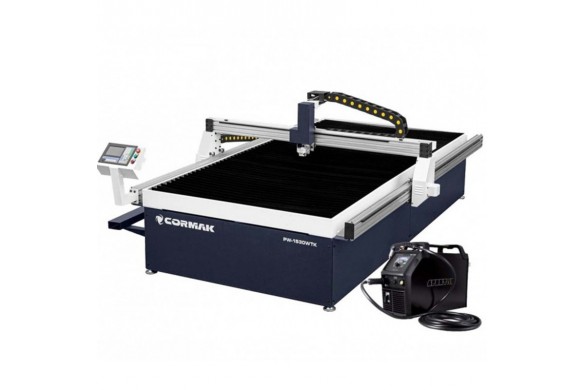
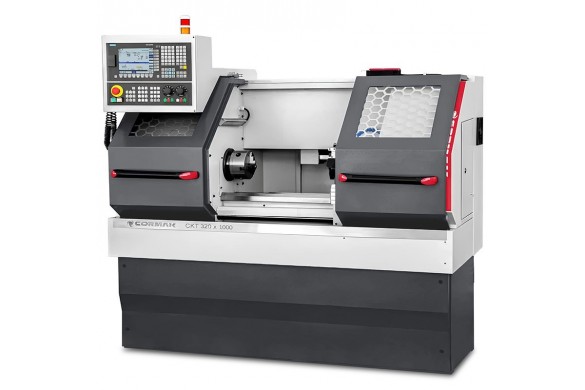
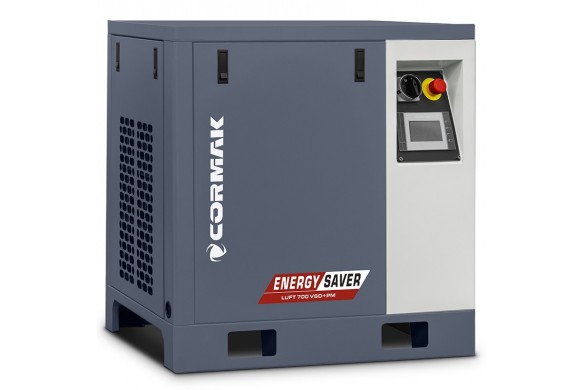
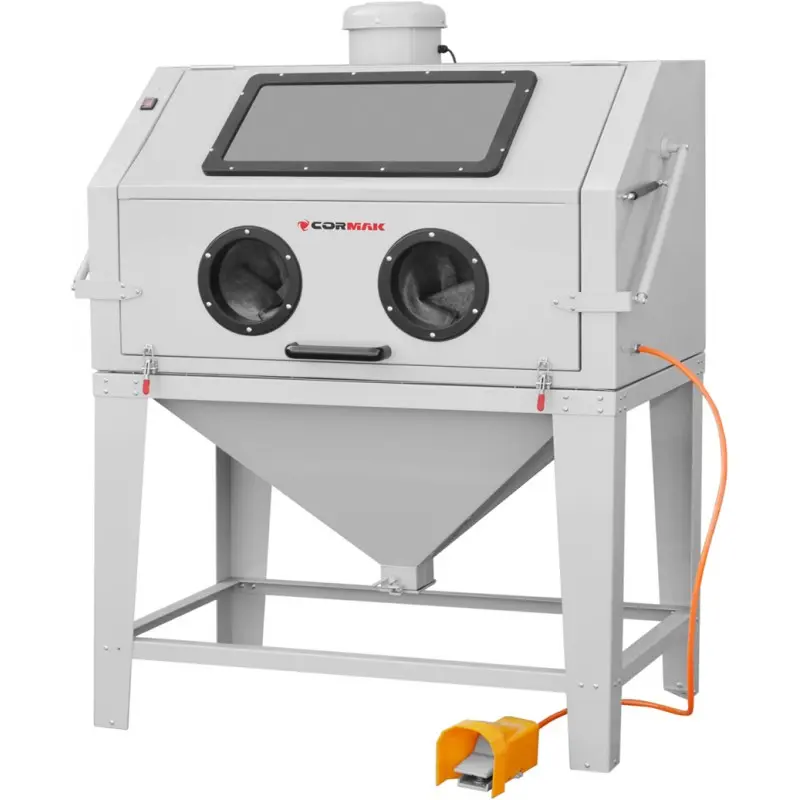
Specialised industrial machines are necessary for both of these processes. Industrial machine manufacturer Cormak offers a range of machines that enable both sandblasting and glass bead blasting. Thanks to a wide range of machines, including metalworking machines, CNC machines or woodworking machines, appropriate machines can be found for carrying out these processes in various industries. The offer also includes cabinet sandblasters, which are an ideal solution for sandblasting details in controlled conditions, and siphon sandblasters, which work perfectly in field work.
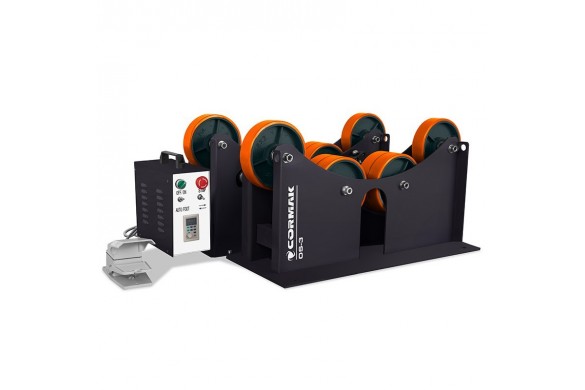
For companies involved in detail processing, devices such as cyclone extractors for sandblasters are necessary to maintain air cleanliness and prevent contamination in the workplace. Cormak’s offer also includes transport equipment, which are invaluable in processes related to sandblasting and glass bead blasting of large details.
Sandblasting or glass bead blasting - what to choose?
What to choose - sandblasting or glass bead blasting? The answer depends largely on the type of material being processed and on the expected final effects. Sandblasting and glass bead blasting are a choice between intensive cleaning and subtle surface smoothing.
In the case of elements that require stronger cleaning and removal of larger contaminants, such as rust or paint, sandblasting will be the better solution. However, if the goal is to obtain an aesthetic and smooth finish, without the risk of scratches, glass bead blasting will be the better choice.
Summary
Both sandblasting and glass bead blasting depend on the specifics of the work and the effects that we want to achieve. In the processing of metals, wood or other materials, it is important to choose the right machines that will ensure the efficiency and quality of the process. Cormak offers a wide range of industrial machines, including sheet metal processing machines, which are necessary to carry out both sandblasting and glass bead blasting in various industries. Also check cabinet washers.
Latest blog postsAll articles →