Who Is a PM Motor Compressor Best Suited For?
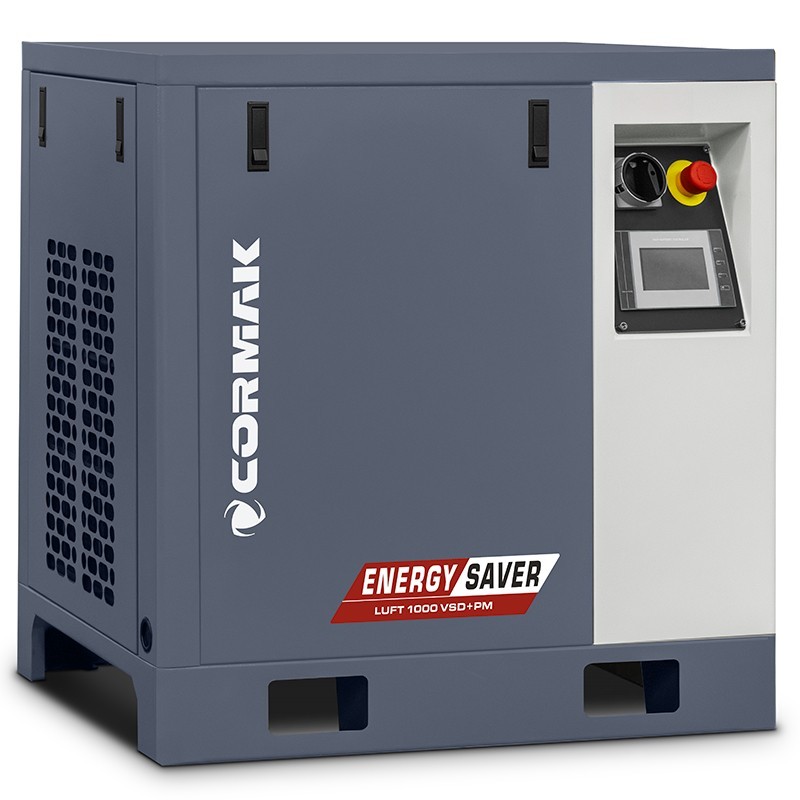
Who Is a PM Motor Compressor Best Suited For?
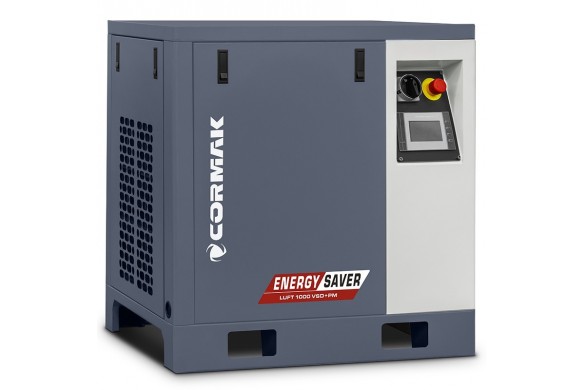
A modern compressor with a PM motor is designed for companies that use compressed air regularly and want better control over the operating costs of their pneumatic system. A PM motor, or permanent magnet motor, offers high efficiency, smooth operation and variable-speed control when combined with an inverter.
This technology makes the most sense where air demand is not perfectly constant. The compressor can adjust output to current consumption, maintain stable working pressure and reduce operation in inefficient ranges. Actual savings, however, depend not only on the motor itself but also on compressor sizing, system leakage, working pressure, air treatment and the real air-demand profile.
What Is a PM Motor in a Compressor?
A PM motor is an electric motor that uses permanent magnets. Compared with conventional induction motors, it can provide high efficiency across a wide operating range, especially when used with an inverter. In practice, this enables the compressor speed to be adjusted to the current demand of the air system.
In a rotary screw compressor, the motor drives the compression element. When air demand rises, the system can increase speed; when demand falls, output can be reduced. This means the compressor does not need to operate in one fixed mode that may not match real plant conditions.
The PM motor alone does not automatically guarantee the lowest costs. Proper compressor sizing, correct working pressure, a well-designed pipe system, leak reduction and regular maintenance are all essential.
When Is a PM Compressor Worth Choosing?
A PM motor compressor is particularly useful where compressed-air consumption changes throughout the day. In many businesses, air users do not operate at the same load all the time. Sometimes several pneumatic tools are running; at other times the system supplies just one station or operates at a low standby demand.
In this situation, a variable-speed compressor can deliver air more flexibly. Instead of frequently switching between loaded operation and idle running, it can respond more smoothly to demand. This helps reduce energy losses and maintain more stable pressure in the system.
The greatest benefits are usually seen in regular use: single-, double- or three-shift operation, production plants, service centres, paint shops, workshops and companies where pressure drops can disrupt work.
Which Businesses Benefit Most?
A PM motor compressor is a strong choice for companies that treat compressed air as an important process medium, not merely an auxiliary utility. The more often the compressor runs and the more variable the air demand, the more important drive efficiency and output control become.
- Manufacturing plants – where compressed air powers lines, machines, actuators, valves and assembly stations.
- Automotive workshops – for pneumatic wrenches, inflation, blow-off and service tasks.
- Paint shops – where stable pressure and correctly treated air influence the final result.
- Metalworking shops – for tools, blow-off, pneumatic clamping and auxiliary equipment.
- Woodworking companies – for pneumatic tools, workstation cleaning and machines requiring air.
- Maintenance departments – where reliability, air availability and stable parameters are important.
Workshops, Service Centres and Production
In workshops and service centres, a PM compressor can supply impact wrenches, spray guns, pneumatic grinders, blow guns, pumps, tyre-inflation equipment and other air users. Air demand is often irregular: short periods of intensive tool use alternate with breaks.
In production, process continuity is more important. If several stations use compressed air at the same time, pressure drops can affect work speed, process quality and operator comfort. A properly selected compressor helps maintain more predictable conditions and reduce the risk of interruptions caused by insufficient air supply.
However, a compressor will not solve problems caused by a poorly designed installation. Undersized pipework, leaks, incorrect filtration or inadequate drying can reduce the benefit of even a very efficient compressor.
Oil-Lubricated, Oil-Free or PM?
When selecting a compressor, it is important to distinguish between the drive type and the compressor construction. A PM motor refers to the drive, while oil-lubricated and oil-free describe the compression technology and air-quality requirements.
Oil-lubricated compressors are often selected for workshop and industrial applications where durability, output and intensive operation matter. Oil-free models are used where particularly clean air is required, for example in selected painting, food, medical or laboratory processes, according to the requirements of the specific installation.
A PM motor can be part of a modern compressor system, but it does not replace filtration, dryers or separators. If the process requires a defined air-quality class, the entire air-treatment system must be selected, not just the compressor.
What to Check Before Buying
Choosing a PM compressor should start with an analysis of compressed-air demand. The key parameter is not only motor power but the effective air delivery at the required working pressure.
- Effective air delivery – should match the real air demand of the users.
- Working pressure – excessive pressure increases energy costs and system load.
- Receiver capacity – affects system stability and air reserve during short demand peaks.
- Duty profile – intermittent use and long continuous operation require different approaches.
- Air quality – filtration and drying must match tools and process requirements.
- Pneumatic installation – pipe diameters, leakage and point-of-use layout affect pressure stability.
- Service and spare parts – technical support matters when the compressor is used intensively.
When a PM Motor May Not Be Necessary
A PM motor compressor is not always the only sensible choice. If the compressor is used occasionally, for short periods and with low air demand, a simpler model may be sufficient. This may apply to occasional inflation, hobby use or workstations where air is rarely needed.
PM technology shows its advantages most clearly with regular use and variable load. When the compressor operates for many hours a day, energy cost becomes significant. In that case, it is worth considering not only purchase price but also total cost of ownership.
Where Does a PM Compressor Work Best?
| Application | Is PM worth considering? | Why? |
|---|---|---|
| Multi-station production | Yes | Variable air demand, stable pressure and continuity of operation are important |
| Automotive workshop | Yes, with regular use | Short demand peaks, pneumatic tools and fast system response |
| Paint shop | Yes, with proper air treatment | Stable pressure and air quality affect the final result |
| Occasional use | Not always | Energy savings may be less significant with short operating times |
| Processes requiring high air purity | Yes, but the motor is not the only factor | Filtration, drying and air-quality requirements must be considered |
FAQ
Does a PM motor compressor always use less energy?
It can use less energy, especially with variable demand and inverter control. The real result depends on compressor sizing, working pressure, system leakage and operating pattern.
Is a PM motor suitable for continuous operation?
Modern rotary screw compressors with PM motors are designed for intensive operation, but the parameters of the specific model, manufacturer recommendations and operating conditions should always be checked.
Does a PM compressor replace a dryer?
No. A PM motor is part of the drive system. If dry or very clean air is required, properly selected dryers, filters and separators are still needed.
Is a PM compressor worth choosing for a small workshop?
Yes, if the workshop regularly uses pneumatic tools and needs stable pressure and lower operating costs. For very occasional use, a simpler compressor may be sufficient.
Summary
A PM motor compressor is best suited to companies that use compressed air regularly, operate with variable demand and want to reduce energy costs. It is a good fit for production plants, workshops, service centres, paint shops and industrial users where stable pressure, efficiency and predictable operation matter.
Before buying, analyse effective delivery, required pressure, duty profile, air quality and the condition of the pneumatic system. CORMAK offers compressors suitable for workshops, production and industrial applications where energy-efficient and stable operation is important.
Latest blog postsAll articles →