What is metal satin plating and what does it involve?

Are you looking for an answer to the question: what is satin finishing? Satin finishing of metal is a surface treatment process aimed at achieving an aesthetic, matte finish with a subtle shine. This satin effect is characterized by delicate, even lines that give the material an elegant yet modern appearance. This process is used not only in industry but also in the production of decorative items and interior furnishings, where both functionality and aesthetics matter.
In this article:
- What is metal satin finishing?
- Metal satin finishing machines
- Industrial applications of satin finishing
- Summary
What is metal satin finishing?
Metal satin finishing involves mechanically smoothing the metal surface to achieve the desired semi-gloss effect. The entire process consists of removing the top layer of material, resulting in a smooth surface with fine lines. Satin finishing can be performed using various tools and methods, such as manual steel satin finishing, disc grinders, metal polishers, and industrial metalworking machines. Depending on the tool and process parameters used, the resulting surface may vary in gloss intensity and texture.
Manual steel satin finishing
Manual steel satin finishing is used for smaller production batches or when components require precise fitting. During manual satin finishing, tools such as disc grinders and metal polishers are used to gradually smooth the metal surface. Although this is a more time-consuming method requiring precise control, it allows for highly accurate finishes not always achievable with machine processing.
Metal satin finishing machines
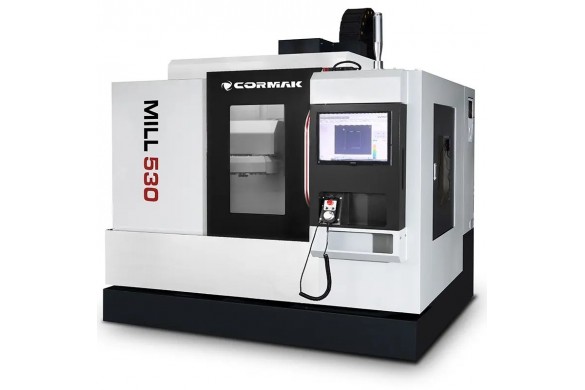
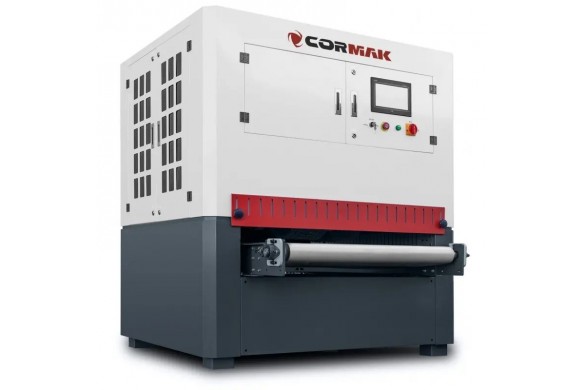
In industry, steel satin finishing is performed using dedicated machines that ensure efficiency and process repeatability. Industrial machines such as disc grinders and metal polishers enable fast and effective satin finishing on large surfaces. In the range of industrial machine manufacturers such as Cormak, advanced equipment is available for precise satin finishing of steel, aluminum, and other metals.
Examples of metalworking machines that can be used for satin finishing include industrial satin finishing machines. These devices allow not only satin finishing but also polishing and deburring of metal components, ensuring high-quality finishing.
Industrial applications of satin finishing
Metal satin finishing is widely used across various industrial sectors. It is applied in the production of interior elements such as doors, railings, metal furniture, as well as in the automotive, electronics, and food industries. Satin finishing of steel and other materials provides an elegant appearance while maintaining functionality and resistance to damage.
Benefits of metal satin finishing
The main benefits of metal satin finishing include:
-
Aesthetics – the satin effect gives the material an elegant look, ideal for applications where appearance is important.
-
Scratch resistance – satin finishing can help hide minor scratches on the metal surface.
-
Easy maintenance – satin surfaces are less prone to dust and dirt buildup, making them easier to clean and maintain.
Summary
What is satin finishing? Metal satin finishing is a process that significantly improves both the appearance and functionality of metal components. With the use of appropriate tools such as manual grinders, polishers, or industrial metalworking machines, it is possible to achieve a precise satin effect. If you are looking for metalworking machines, Cormak offers a wide range of equipment to help you achieve excellent satin finishing results.
Latest blog postsAll articles →