Oil or Oil-Free Compressor – What Are the Differences?
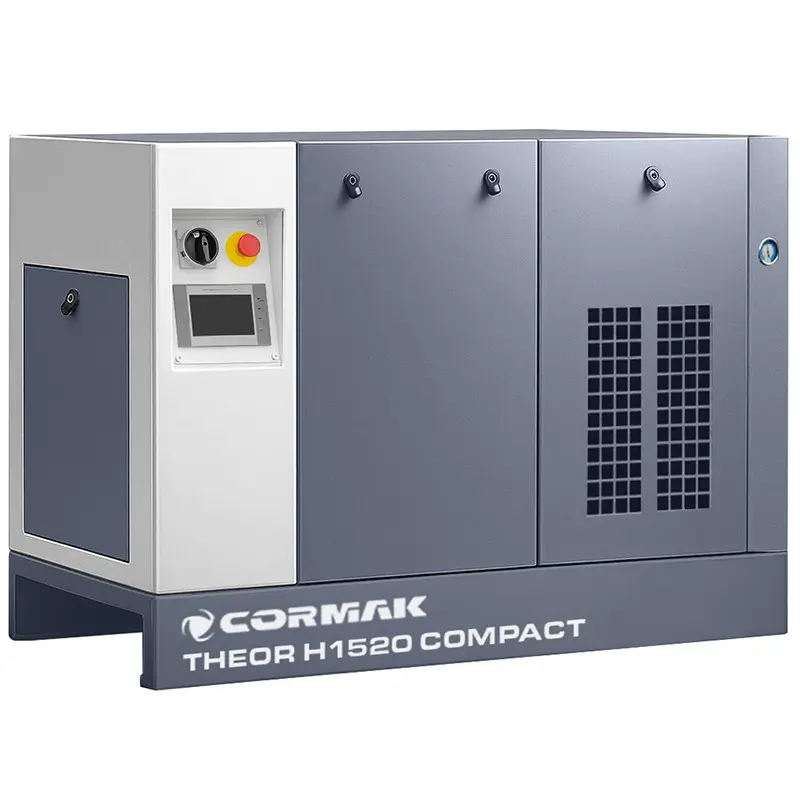
Many users wonder which compressor is better – oil or oil-free, and what applications each type is best suited for. Both options have their advantages and limitations, which is why it’s worth understanding how they work and what distinguishes them before buying. Understanding the differences helps you select a compressor that suits the type of work and your expectations.
- How oil and oil-free compressors work
- Oil vs oil-free compressors – construction and maintenance differences
- Applications – which compressor to choose: oil or oil-free?
- Summary – which compressor is better?
How oil and oil-free compressors work
The main difference between these compressors lies in how their moving parts are lubricated. An oil-lubricated compressor uses oil to reduce friction and cool the compression mechanism. This allows the motor and pistons to operate more smoothly, which increases durability and results in quieter operation.
By contrast, an oil-free compressor does not require lubrication — instead, it uses special rings or Teflon-coated components that minimize friction without oil. This design eliminates the risk of oil contaminating the compressed air and ensures clean, dry air output, which is especially important in fields like medical, food processing, or electronics.
Oil vs oil-free compressors – construction and maintenance differences
Comparing oil-lubricated and oil-free compressors reveals several important differences:
- Durability and lifespan – oil-lubricated models are more resistant to heavy use and often preferred in workshops and industrial environments;
- Noise level – oil-lubricated compressors run more quietly thanks to lubrication;
- Air purity – oil-free units prevent oil from entering the air system;
- Maintenance – oil-lubricated compressors require periodic oil and filter changes, whereas oil-free compressors are nearly maintenance-free;
- Cost – oil-lubricated compressors may be more economical to purchase but cost more to maintain over time.
Applications – which compressor to choose: oil or oil-free?
Deciding whether to choose an oil-lubricated or oil-free compressor depends on the intended use. Oil-lubricated compressors are ideal for industrial plants, auto repair shops, or operations using pneumatic tools. They deliver stable pressure, long service life, and consistent performance even under heavy workloads.
On the other hand, oil-free compressors are perfect for industries that require clean air — such as dentistry, laboratories, food processing, or painting shops. Their advantages include no need for oil changes, lighter weight, and suitability for indoor use.
Summary – which compressor is better?
The choice between an oil or oil-free compressor ultimately depends on its intended application. Oil-lubricated models are more durable and better suited for demanding industrial conditions, while oil-free compressors provide clean air and minimal maintenance. When choosing a compressor, consider the type of work, usage frequency, and required air purity.
Thanks to years of experience and a wide range of solutions, CORMAK helps select the optimal compressor for any industry. Choosing proven equipment ensures that your investment will be solid and long-lasting.
Latest blog postsAll articles →