Laser Power: How to Choose the Right Power for Metal Thickness?
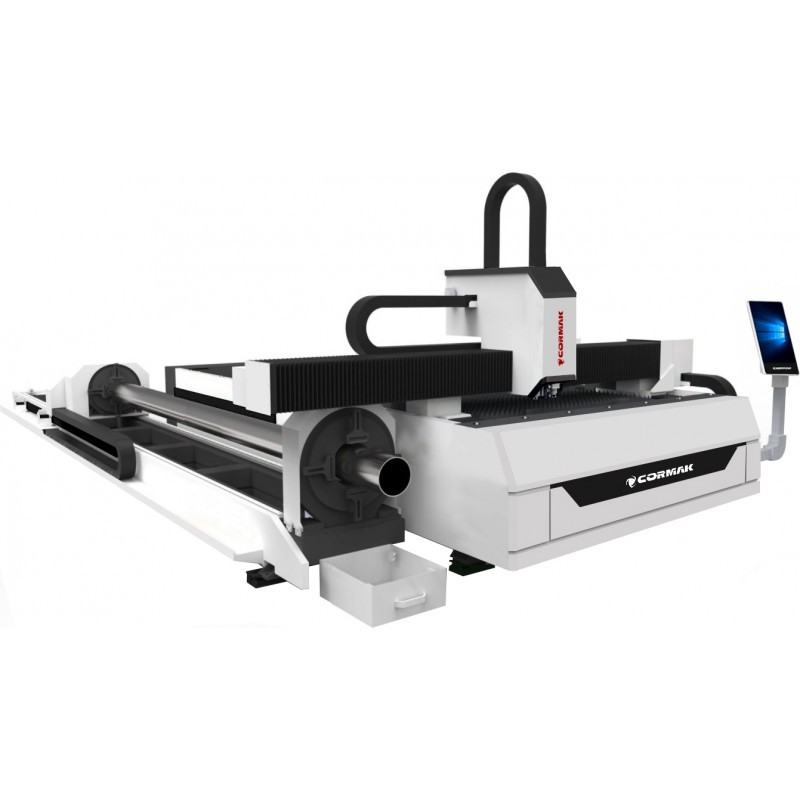
Laser Power: How to Choose the Right Power for Metal Thickness?
Laser Power: How to Choose the Right Power for Metal Thickness?
Choosing the right laser power is essential for efficient and precise metal cutting. Too little power may leave the material uncut, while too much can overheat the edges. Here’s how to select the proper power based on metal thickness to achieve the best results.
Why Is Laser Power Important?
Laser power determines how deep and fast the beam penetrates the metal. Higher power allows cutting thicker materials but must be balanced with speed and quality.
Laser Power vs. Material Thickness
- 1000–2000 W – thin sheets up to 8–12 mm,
- 3000–4000 W – up to 15–20 mm,
- 6000 W – 20–25 mm,
- Above 6000 W – industrial cutting over 25 mm.
Reflective metals like aluminum or copper require more power due to their lower absorption of laser energy.
Factors Affecting Laser Power Choice
- Optics quality and beam stability,
- Type of assist gas (nitrogen, oxygen, air),
- Surface cleanliness and focus accuracy.
Which Laser Power to Choose?
Small workshops cutting thin sheets can rely on 1500–3000 W lasers. For thicker materials, industrial machines with 6000 W or more are ideal. CORMAK laser cutters offer stable parameters and top quality across a wide material range.
Summary
Proper laser power selection ensures efficiency, accuracy, and quality. With CORMAK machines, you can tailor performance to your material and production needs.
Latest blog postsAll articles →