Laser Cutting vs Plasma Cutting – Which Technology Is Better

Laser Cutting vs Plasma Cutting – Which Technology Is Better? | CORMAK
Laser cutting vs plasma cutting: which technology is better?
Laser cutting and plasma cutting are among the most widely used metal cutting methods. They differ in accuracy, speed, edge quality, and operating costs. The right choice depends on the material, thickness, and the required finish.
How does laser cutting work?
Laser cutting uses a focused light beam to melt or vaporize the material. It delivers very high accuracy, smooth edges, minimal thermal distortion, and the ability to cut complex shapes. It is ideal for thin to medium sheet metal. While the investment and operating costs are higher than plasma, it often pays off quickly in serial production.
How does plasma cutting work?
Plasma cutting uses an electric arc that turns gas into a high-temperature plasma jet. The plasma melts the metal and blows it away from the cut. It is fast—especially on thicker plates—and equipment cost is typically lower than laser. However, precision is lower and post-processing may be required.
Laser vs plasma: key differences
- Accuracy: laser – very high; plasma – medium.
- Speed: laser – excellent for thin sheet; plasma – faster on thick materials.
- Investment cost: laser – higher; plasma – lower.
- Edge quality: laser – smooth, often no finishing; plasma – more finishing required.
- Thickness range: fiber laser – typically up to ~30 mm; plasma – up to ~50 mm (depending on the source).
Which one should you choose?
Choose laser cutting when precision, repeatability, and edge quality matter most. Choose plasma cutting when productivity on thick plate and lower upfront cost are key. Many companies use both: laser for precision parts and plasma for fast cutting of thick structural steel.
CORMAK solutions
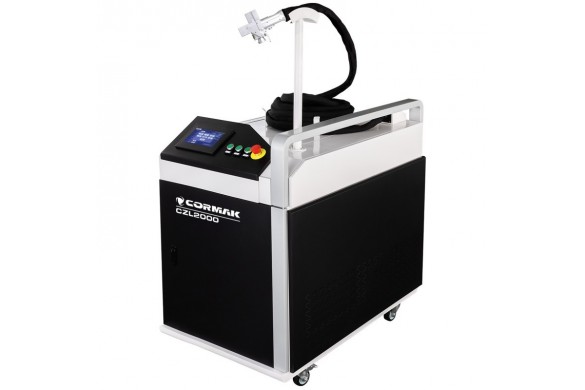
CORMAK offers modern laser and plasma cutting machines combining precision, reliability and efficient CNC workflows for both industrial plants and smaller fabrication shops.
Latest blog postsAll articles →