Which is cheaper: waterjet or laser cutting?
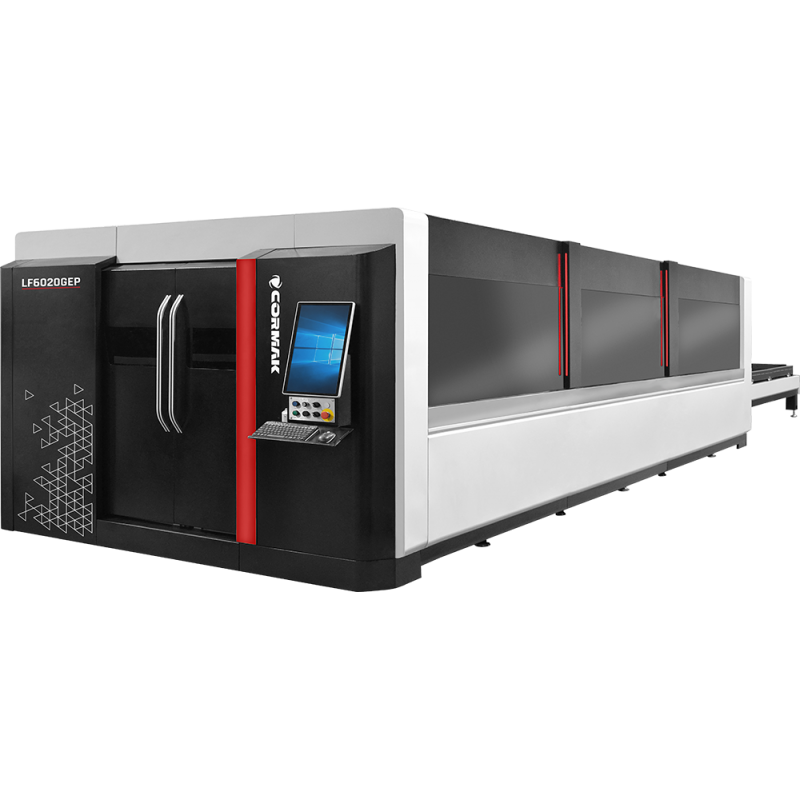
Choosing the right cutting technology has a major impact on production costs and product quality. Many manufacturers wonder, which is cheaper – waterjet or laser cutting. The answer depends on the material, thickness, and precision requirements. Here’s a detailed comparison.
Laser cutting
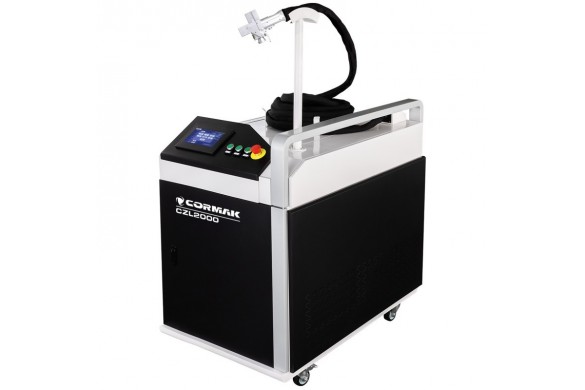
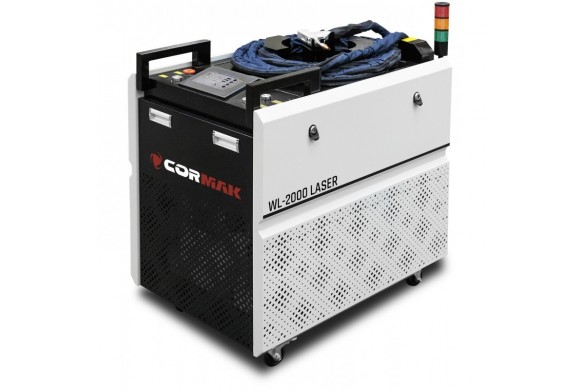
Laser cutting uses a focused light beam to melt and vaporize material. It offers high speed, precision, and low per-unit cost for thin sheets. It’s ideal for cutting steel, stainless steel, and aluminum. Operating costs are low, mainly electricity and gas, so for serial production, laser cutting is usually more economical.
Waterjet cutting
Waterjet cutting uses a high-pressure stream of water, often mixed with abrasive. This method avoids heat deformation, allowing clean cuts on heat-sensitive or thick materials. It’s ideal for stone, glass, ceramics, plastics, and thick metals. However, the operating cost is higher due to abrasive use, water consumption, and maintenance.
Technology comparison
| Criterion | Laser | Waterjet |
|---|---|---|
| Precision | High | Very high |
| Speed | Fast | Slower |
| Operating cost | Lower | Higher |
| Material thickness | Up to ~25 mm | Over 100 mm |
| Material types | Metals | Metals, stone, glass, ceramics |
Which to choose?
For speed and low production cost, laser cutting is best. For thick or heat-sensitive materials, choose waterjet. Laser cutting suits mass production, while waterjet cutting excels in custom or precision applications.
Summary
Laser cutting is generally cheaper for thin sheets and large batches, while waterjet cutting is better for special materials and thick parts. CORMAK offers both laser and waterjet cutting machines designed for top precision and cost efficiency in industrial metal processing.
Latest blog postsAll articles →