Soudure d'angle, propriétés et applications
A fillet weld is one of the most important types of welds used in welding. It is a weld used to join two elements at an angle, creating a corner structure. Fillet welds are characterized by specific geometry and properties, making them widely used across industries, especially in steel structures, construction, and industrial machinery production.
From this article, you will learn:
- What is a fillet weld?
- Types of fillet welds
- Fillet welding - technology and applications
- Industrial machines for fillet welding
What is a fillet weld?
A fillet weld, also known as fillet welding, involves joining two elements at an angle. This angle can be 90 degrees or another value, depending on the project specifications. For this type of weld, proper placement of the welding material within the joint is critical. Fillet welding aims to ensure mechanical strength under various loads, including dynamic and static forces.
Fillet weld thickness
Fillet weld thickness is a key parameter determining its strength. According to standards, the thickness should match the joined elements to ensure durability and stress resistance. The thickness of a fillet weld in standard applications can range from a few to several dozen millimeters, depending on material characteristics and intended use.
Fillet weld symbols
Fillet weld symbols are crucial in welding practice, as they specify parameters such as type, shape, and dimensions. For fillet welds, particular attention is paid to weld size and maximum weld thickness, which must comply with technical requirements.
The maximum thickness of a fillet weld depends on factors like material type and application. Typically, it does not exceed a few centimeters under standard conditions, though it may be larger for thick materials. Compliance with technical norms is essential.
Types of fillet welds
Types of fillet welds vary based on geometry, material application, and strength requirements. These include single-sided and double-sided fillet welds. The choice depends on material type, element thickness, and load conditions. Proper selection optimizes joint durability and minimizes failure risks.
Fillet welding - technology and applications
Fillet welding requires precision and experience, as the joint angle affects stress distribution. Welders must adjust parameters to achieve required strength and quality. Common methods include MIG/MAG, TIG, and arc welding, chosen based on material, weld thickness, and strength needs.
Industrial machines for fillet welding
High-quality industrial machines are essential for precise fillet welds. Advanced welding equipment ensures efficiency and safety. Industrial machinery manufacturer Cormak offers a range of metalworking machines ideal for fillet welding tasks, guaranteeing precision and quality.
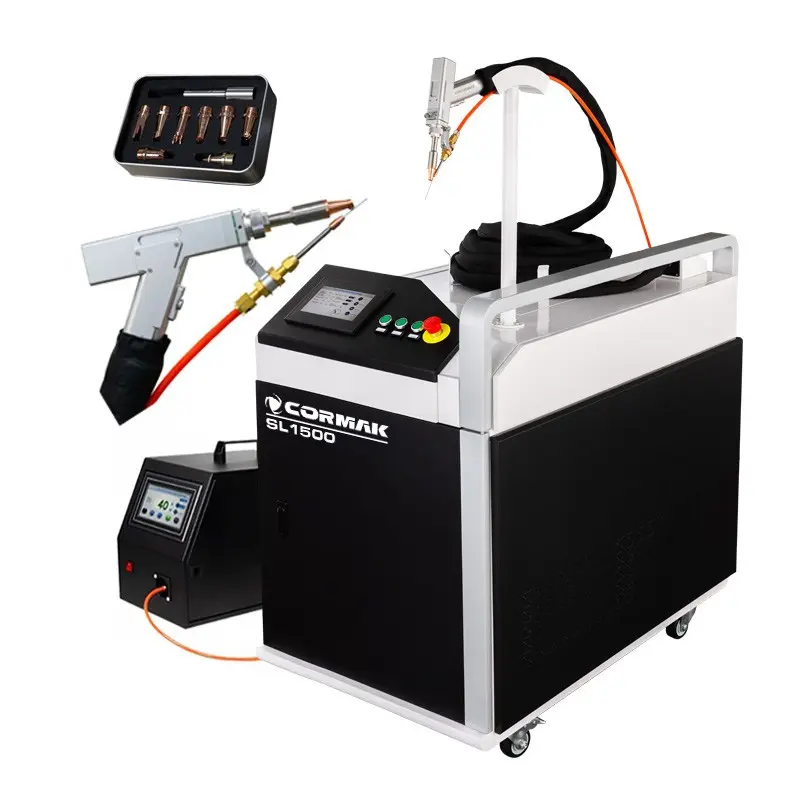
Laser welders are also notable for advanced applications, enabling exceptional accuracy, especially for thin materials with precise dimensions.