Thread Cutting on a Lathe Step by Step: Settings, RPM Selection, Tools and Dimension Control
Thread Cutting on a Lathe Step by Step: Settings, RPM Selection, Tools and Dimension Control
Thread cutting on a lathe is one of the most important machining operations. Success depends on correct machine setup, proper tooling, reasonable spindle speed, and continuous dimensional control. Below is a step-by-step guide to help you produce accurate threads with good surface finish and proper fit.
1. Choose the thread type and parameters
- Metric (M) – pitch in mm (e.g., M12x1.75)
- Imperial (UNC/UNF/BSP) – threads per inch (TPI)
- External or internal
- Right-hand or left-hand
2. Prepare the workpiece
Turn the base diameter before threading:
- External thread – nominal diameter
- Internal thread – correct tapping drill size
3. Select the threading tool
- Indexable threading inserts
- HSS threading tools
- Internal threading boring bars
4. Set the lathe gearbox and leadscrew feed
Set the correct pitch using the gearbox chart and ensure proper half-nut engagement.
5. Choose RPM and use lubrication
Threading uses lower speeds for safety and accuracy. Use cutting oil or coolant.
6. Set the compound slide to 29–30°
This reduces tool load and improves surface finish.
7. Make multiple passes
Start with deeper cuts, finish with light passes.
8. Check dimensions
- Nuts or mating parts
- Thread ring gauges (GO/NO-GO)
- Three-wire method
- Plug gauges (internal threads)
Summary
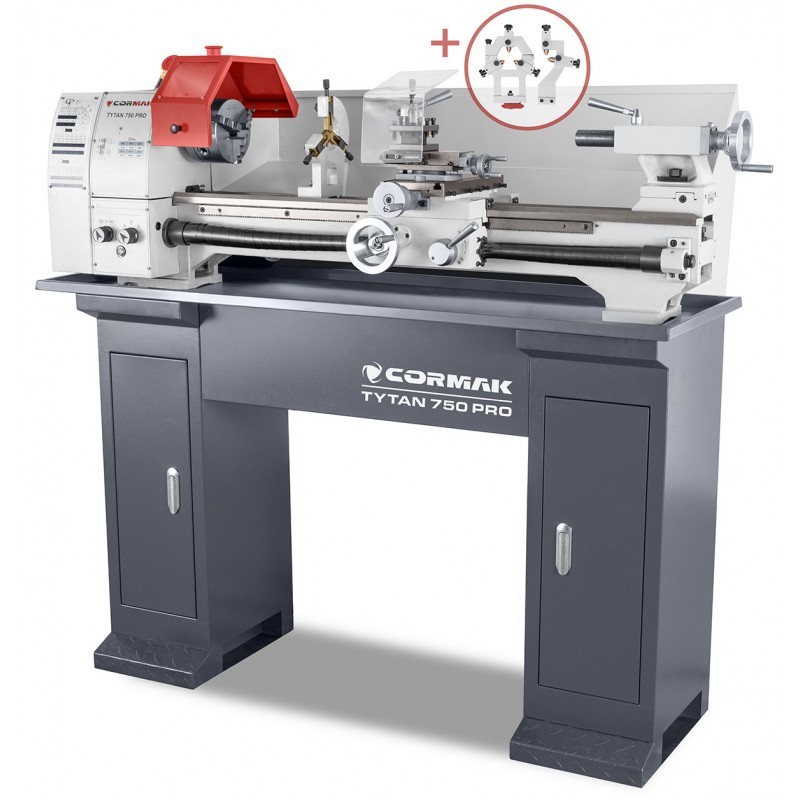
Correct pitch setup, speed control, tooling, and measurement are key to successful threading. For rigid and precise performance, explore CORMAK lathes.
Latest blog postsAll articles →