Extraction systems and equipment: how industrial ventilation works?
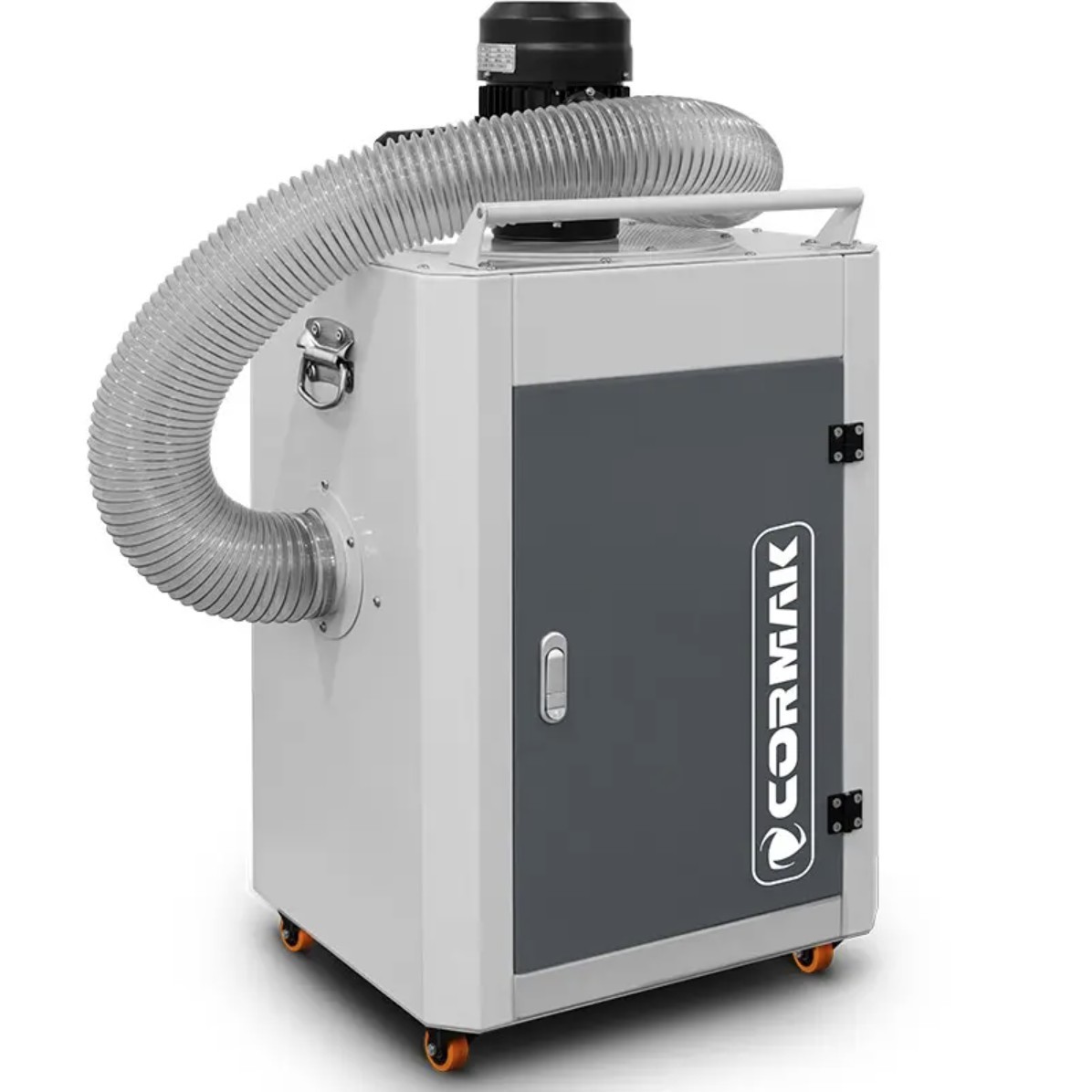
Efficiently designed industrial ventilation is one of the basic elements of the technical infrastructure of modern manufacturing plants. Its task is the effective removal of dust, fumes, process vapours and solid particles generated during machine operation. Properly selected extraction equipment and comprehensive extraction systems directly affect work safety, the stability of production processes and the service life of the machinery fleet.
Table of contents:
- Industrial ventilation – what is it and what function does it serve?
- How do extraction systems work in practice?
- Types of extraction equipment depending on the technology
- The importance of industrial ventilation for safety and quality
- Extraction systems as an element of a modern production hall
- Summary
Industrial ventilation – what is it and what function does it serve?
Industrial ventilation is a set of technical solutions responsible for controlled airflow in production halls, workshops and industrial plants. Its basic task is capturing contaminants directly at the place where they are generated, before they spread into the entire working area. This makes it possible to reduce the concentration of dust and harmful substances, improve the working conditions of operators and meet applicable OHS and environmental standards.
How do extraction systems work in practice?
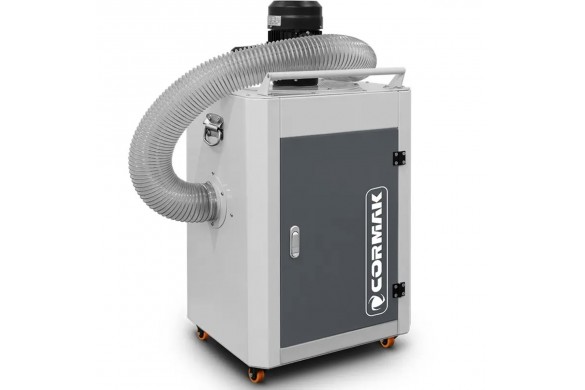
Modern extraction systems consist of several elements working together. The key role is played by suction inlets, extraction arms or hoods, which capture contaminated air at the source. It is then transported through ducts to a filtration unit, where dust and solid particles are separated. The cleaned air can be recirculated back into the hall or exhausted outside, depending on the system configuration and the nature of the technological process.
Types of extraction equipment depending on the technology
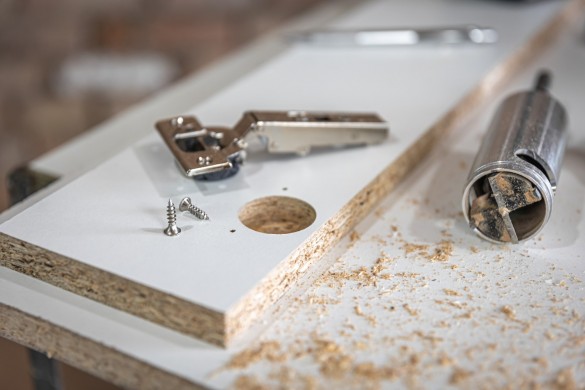
Selecting the right extraction equipment should always depend on the type of processed material and the specifics of production. In the woodworking industry, sawdust extraction units are of key importance, as they effectively remove chips, dust and fine waste generated during cutting and milling. In metalworking, specialised metal chip extraction units are used, adapted to work with heavier and sharp fractions. Welding processes require solutions such as welding extraction units, which eliminate fumes and gases generated during welding, while laser technologies use extraction units for lasers, which remove micro-dust and vapours formed as a result of thermal processing.
The importance of industrial ventilation for safety and quality
Properly designed industrial ventilation has a direct impact on employee safety and the stability of production processes. Reducing dust settling on machine components reduces the risk of failures and downtime, and clean air improves work comfort and operator concentration. Additionally, effective extraction systems affect the quality of finished products by eliminating the risk of contamination during the production process.
Extraction systems as an element of a modern production hall
In modern industrial plants, extraction systems are treated as standard hall equipment, not merely an add-on to machines. As an experienced industrial machinery manufacturer CORMAK, the company offers solutions that perfectly complement other industrial machines available in the offer. Integrating extraction equipment with the machinery fleet helps create a safe, ergonomic and efficient working environment that meets the real needs of modern industry.
Summary
Industrial ventilation based on well-selected extraction equipment and systems is an essential element of modern manufacturing plants. Effective removal of dust, vapours and contaminants directly at the source improves work safety, the stability of technological processes and machine durability. Integrating extraction units with the machinery fleet offered by CORMAK makes it possible to create a functional and efficient production environment that meets the requirements of modern industry and applicable technical standards.
Latest blog postsAll articles →