CORMAK screw compressor – complete expert guide 2026
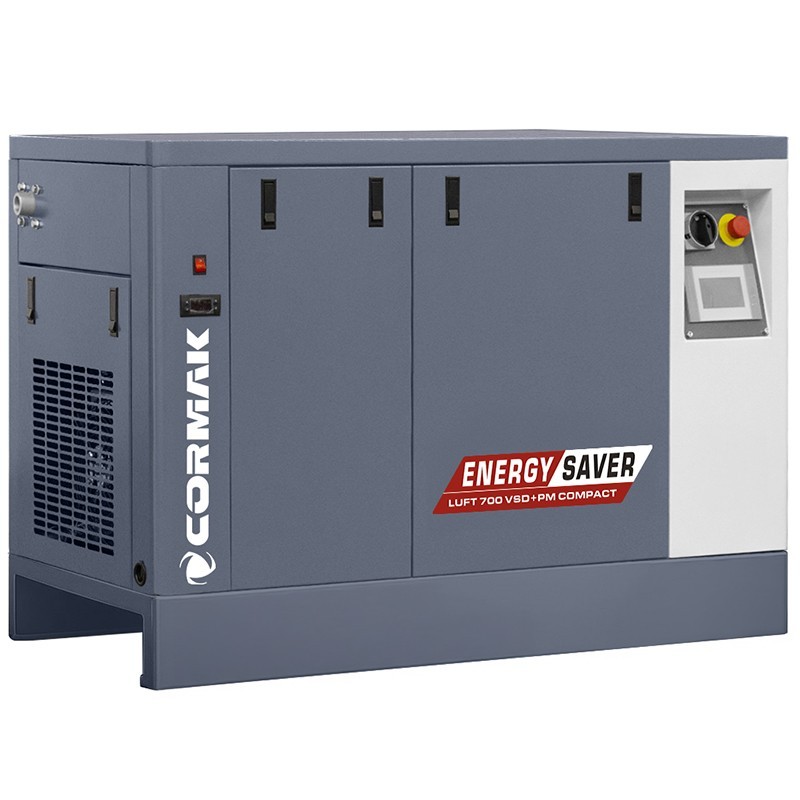
CORMAK screw compressor – complete expert guide 2026 | PART 1: Technology fundamentals and operating principle
CORMAK screw compressor – complete expert guide 2026
Technology fundamentals and operating principle
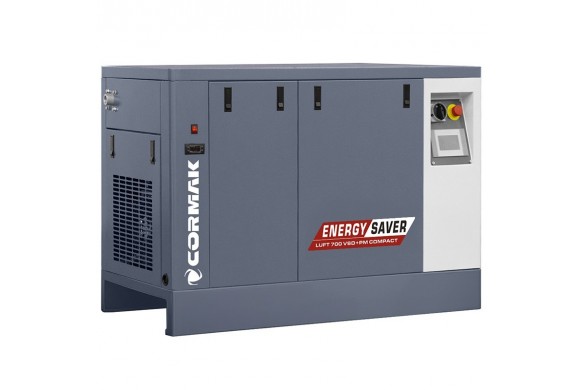
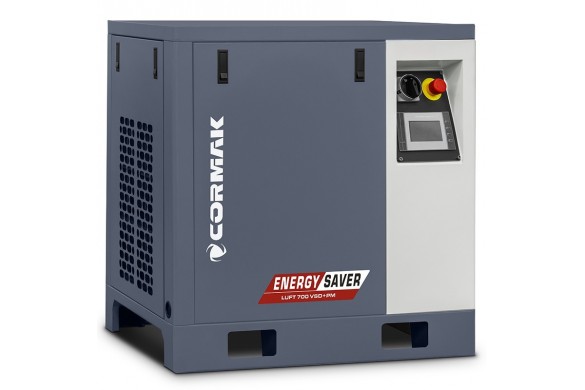
Screw compressor CORMAK is an industrial device for continuous compressed air production, designed for 24/7 operation with high energy efficiency. Thanks to the rotary screw unit, it provides stable pressure, low pulsation, and optimal energy consumption. In 2026, this is the standard in modern plants where efficiency, reliability, and cost control matter.
- What is a screw compressor?
- How does the CORMAK screw compressor work?
- How is an industrial screw compressor built?
- Which technical parameters are key in 2026?
- Why is a screw compressor better than a piston compressor?
- How much energy does a screw compressor consume?
- Is a screw compressor suitable for a workshop?
- What role does a compressed air station play?
- The most important advantages of CORMAK screw compressors
- The most common mistakes when choosing a compressor
- FAQ – frequently asked questions
- Summary – technology fundamentals 2026
What is a screw compressor?
A screw compressor is a device that compresses air using two cooperating screw rotors, which reduce the air volume and increase its pressure continuously. It is intended mainly for industrial applications requiring stable operation.
Technical definition
An industrial screw compressor uses a positive displacement compression mechanism based on precisely matched rotors:
- Male rotor (driving)
- Female rotor (cooperating)
During rotation, the air:
- Is drawn into the compression chamber.
- Undergoes a gradual reduction in volume.
- Reaches the required operating pressure.
- Goes to the system as an energy medium.
In short: screw compressor = continuous operation + stable pressure + high efficiency.
CORMAK screw compressors are used in systems such as a compressed air station in production plants, workshops, and heavy industry.
How does the CORMAK screw compressor work?
The CORMAK screw compressor operates on the principle of rotary air compression in a closed chamber, where oil cools, lubricates, and seals the compression process. This enables stable and energy-saving operation in continuous mode.
Operating stages
- Air intake – through the inlet filter.
- Compression – in the screw module.
- Oil cooling – temperature reduction.
- Oil separation – air purification.
- Final cooling – preparation for the system.
Why is the screw design efficient?
- No reciprocating motion.
- Lower vibration.
- Stable rotational speed.
- Ability to operate without technological breaks.
Screw compressors CORMAK are designed for continuous operation in an industrial environment.
How is an industrial screw compressor built?
An industrial screw compressor consists of several key modules responsible for compression, cooling, and control of operating parameters.
Main components
- Screw module (the heart of the device)
- Electric motor (IE3 / IE4 in 2026)
- Oil separator
- Air and oil cooler
- Oil tank
- Microprocessor control panel
- Inlet valve and minimum pressure valve
In short:
The higher the quality of the screw module and separator, the higher the efficiency and the lower the energy consumption.
Which technical parameters are key in 2026?
The most important parameters are power (kW), capacity (m³/min), operating pressure (bar), and the motor’s energy efficiency class.
Typical ranges for CORMAK screw compressors
- Power: 7.5–90 kW
- Capacity: 0.8–15 m³/min
- Pressure: 8 / 10 / 13 bar
- Noise level: 65–72 dB
In modern installations, compressed air in industry is treated as the fourth energy medium – alongside electricity, gas, and water.
Why is a screw compressor better than a piston compressor?
A screw compressor is better than a piston compressor for continuous operation because it provides stable pressure, lower energy consumption, and greater durability under load.
Comparison table
| Parameter | Screw compressor | Piston compressor |
|---|---|---|
| Operating mode | Continuous (24/7) | Intermittent |
| Pressure stability | High | Pulsating |
| Energy consumption | Lower under constant load | Higher under intensive operation |
| Noise | Lower | Higher |
| Service cost | Stable | Higher with heavy wear |
In short:
If the plant operates in shifts – choosing screw technology is more cost-effective.
How much energy does a screw compressor consume?
How much electricity a screw compressor consumes depends mainly on the motor power and operating time. At full load, energy consumption corresponds to the rated power in kWh.
Example
15 kW × 8h × 22 days = 2640 kWh per month
Why is energy of key importance?
- Energy is 70–75% of the total operating cost.
- Pressure optimization reduces costs.
- An inverter compressor reduces consumption under variable load.
Energy savings in compressors are one of the main ROI factors.
Is a screw compressor suitable for a workshop?
Yes, a screw compressor for a workshop will work well for intensive and continuous operation, especially when pneumatic tools requiring constant pressure are used.
When to choose a workshop model?
- Painting
- Automotive services
- Carpentry shops
- Industrial workshops
If the work is sporadic – a piston one may be cheaper.
If the work is continuous – an efficient compressor for a company in screw technology will be more economical.
What role does a compressed air station play?
A compressed air station is an integrated system comprising a compressor, tank, dryer, and filters, which provides a stable and clean medium for production processes.
System elements
- Compressor
- Buffer tank
- Refrigerated dryer
- Line filters
- Monitoring system
Modern stations use CORMAK screw compressors as the central pneumatic power source.
The most important advantages of CORMAK screw compressors
CORMAK screw compressors provide high efficiency, parameter stability, and reliability in continuous operation.
Benefits list
- Stable operating pressure
- 24/7 operation
- Lower energy costs under high load
- Quiet operation
- Longer service intervals
- Integration with automation systems
- Reduction of downtime
The most common mistakes when choosing a compressor
The most common mistake is underestimating air demand and not analyzing energy consumption.
Practical mistakes
- No capacity reserve
- Too high set pressure
- No dryer
- Choosing a piston compressor for continuous operation
- Ignoring energy costs
FAQ – frequently asked questions
- How much electricity does a 22 kW screw compressor consume?
About 22 kWh at full load. - Can CORMAK screw compressors operate 24/7?
Yes, they are designed for continuous operation. - Is an inverter necessary?
Not always, but it improves efficiency under variable load. - What pressure should I choose?
Most often 8–10 bar in industry. - Does a compressor require a tank?
It is recommended for system stabilization. - How often to service?
Every 2000–4000 operating hours. - Is a screw compressor loud?
No – usually 65–72 dB.
Summary – technology fundamentals 2026
The CORMAK screw compressor is a solution for companies expecting stable, energy-saving, and continuous operation of the compressed air system. Screw technology dominates in industry due to efficiency and reliability.
Latest blog postsAll articles →